Live Slower, Look Closer.
Discover the extraordinary world hidden in the ordinary through microscopy, photomicrography and polarized light.
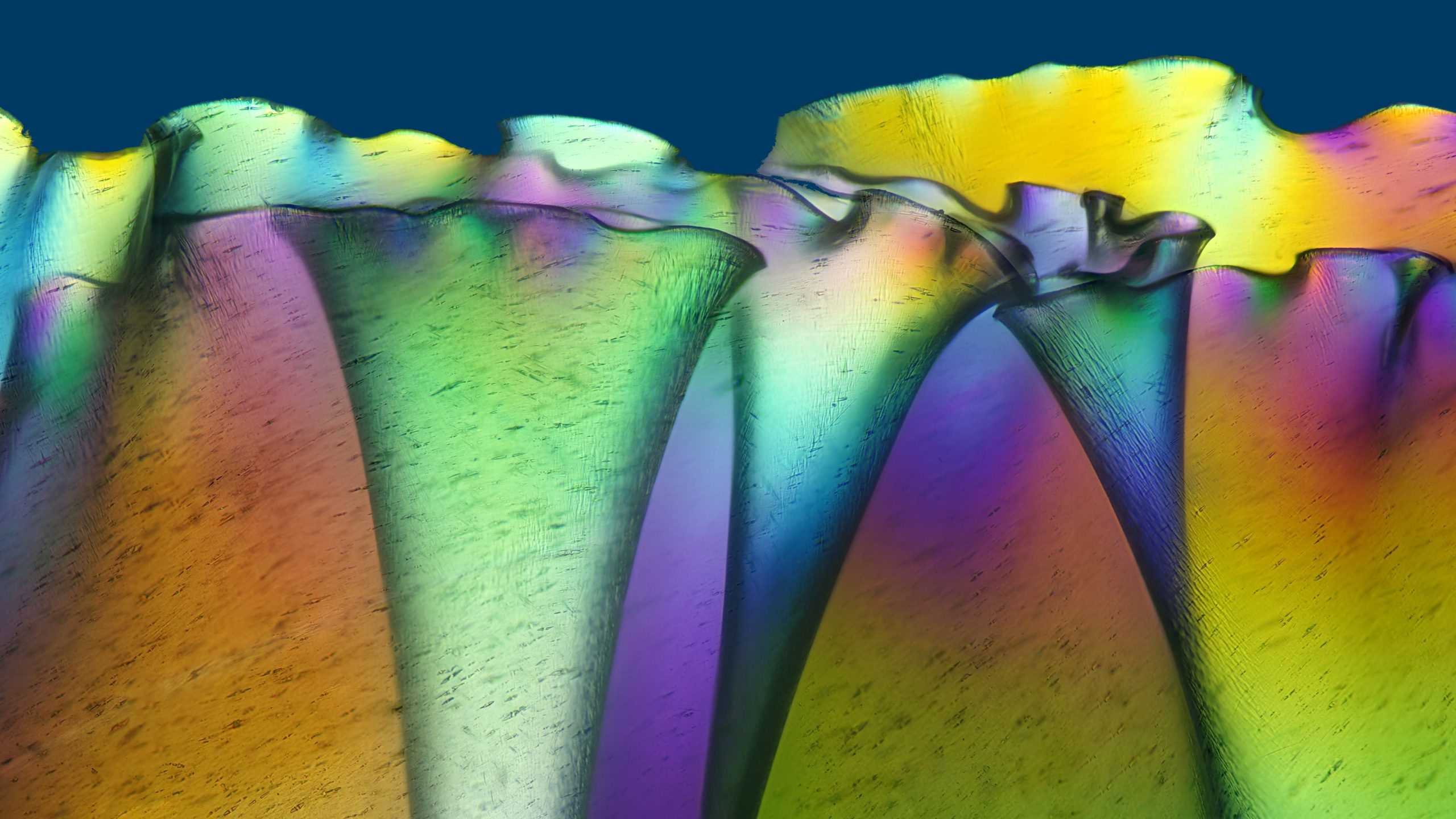
A journey into the invisible worlds revealed through microscopy, photography and curiosity.
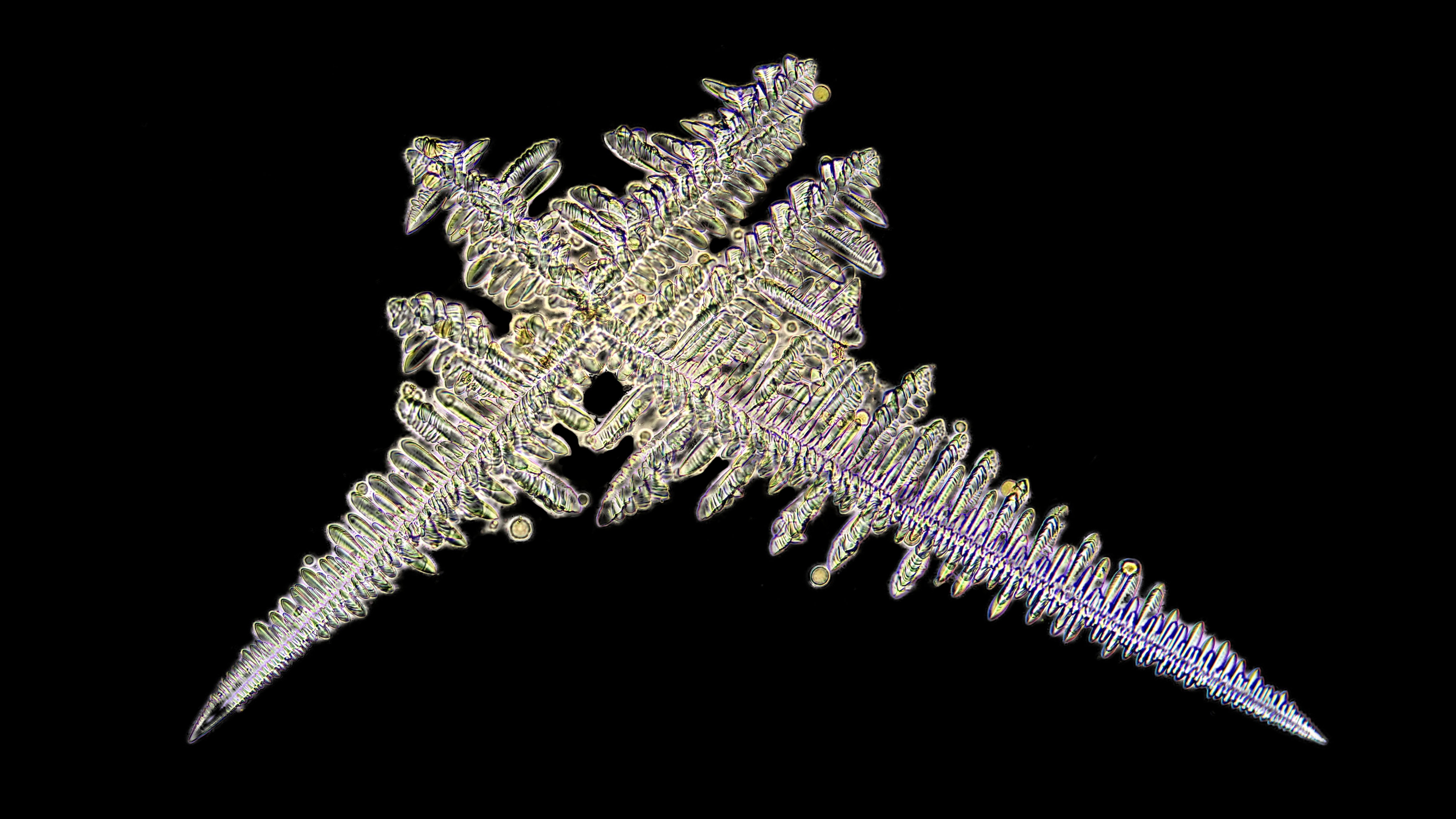
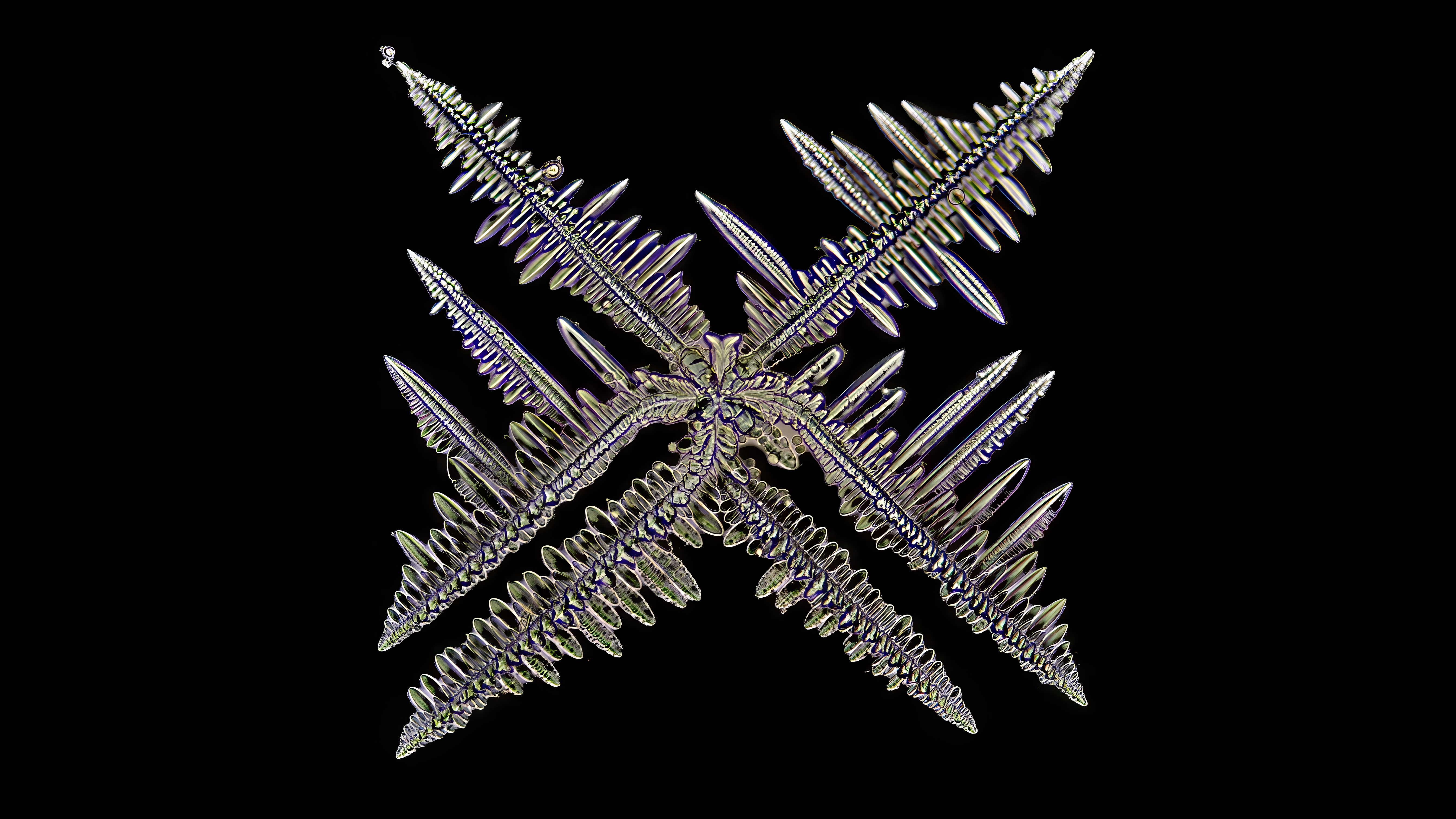
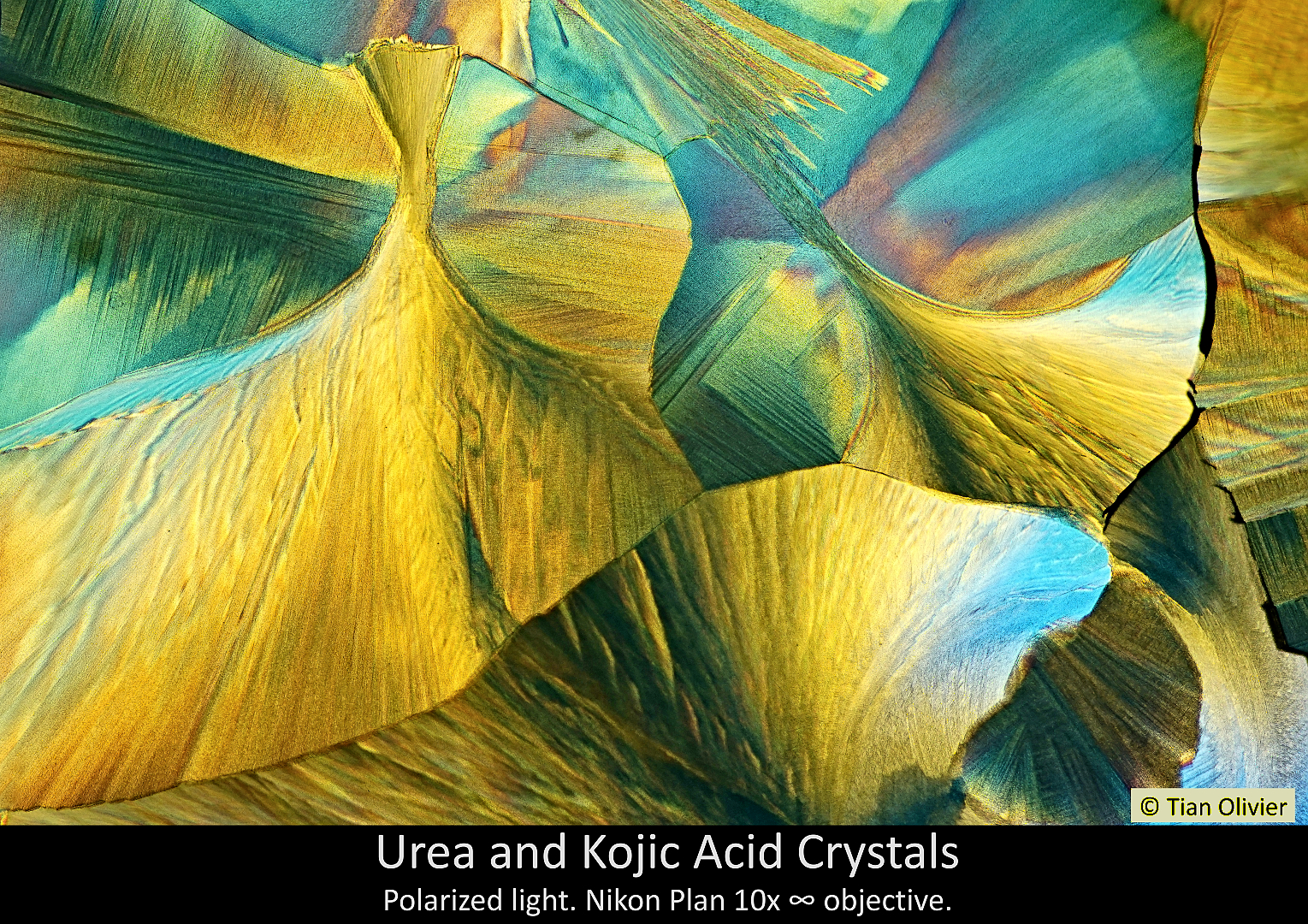
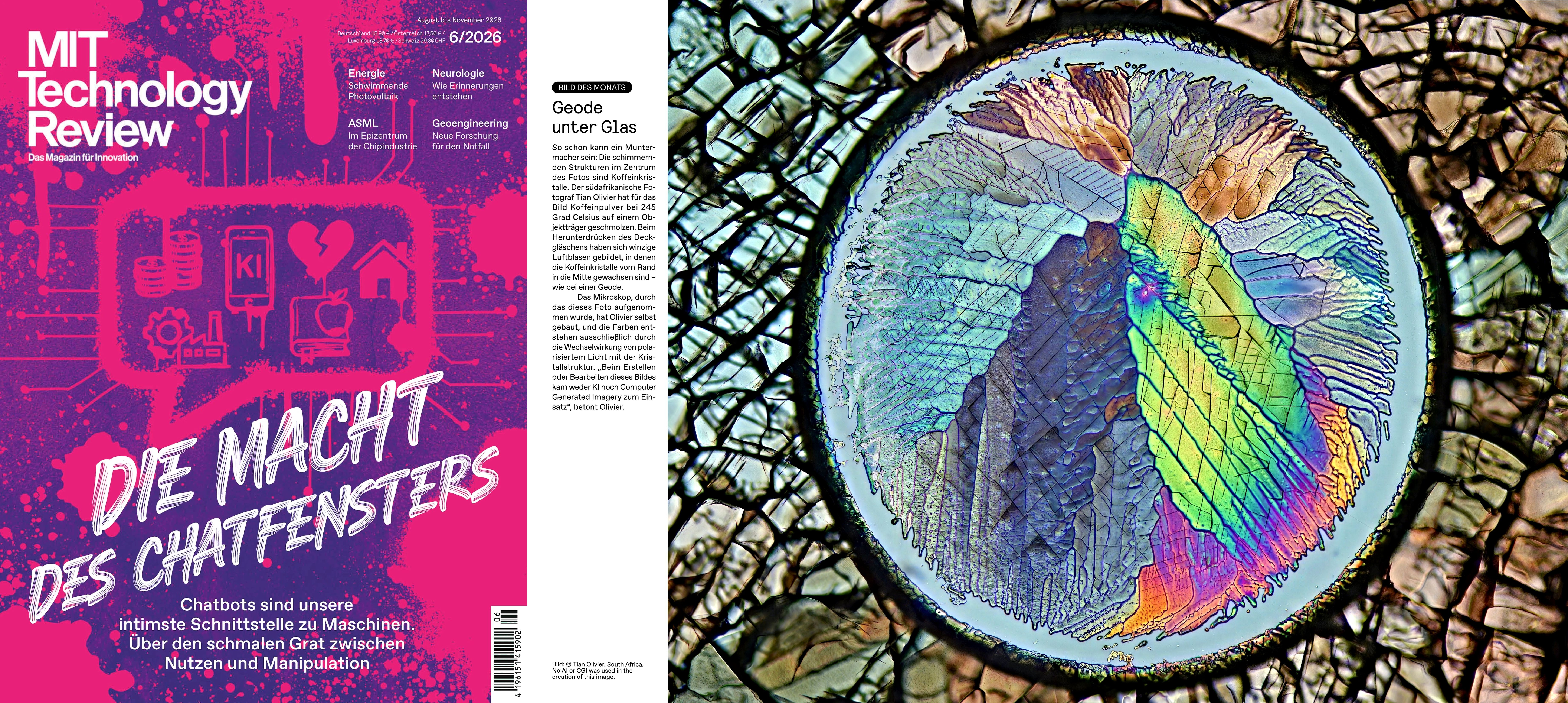
Under polarized light, melting crystals reveal changing molecular structures, phase transitions and unexpected patterns.
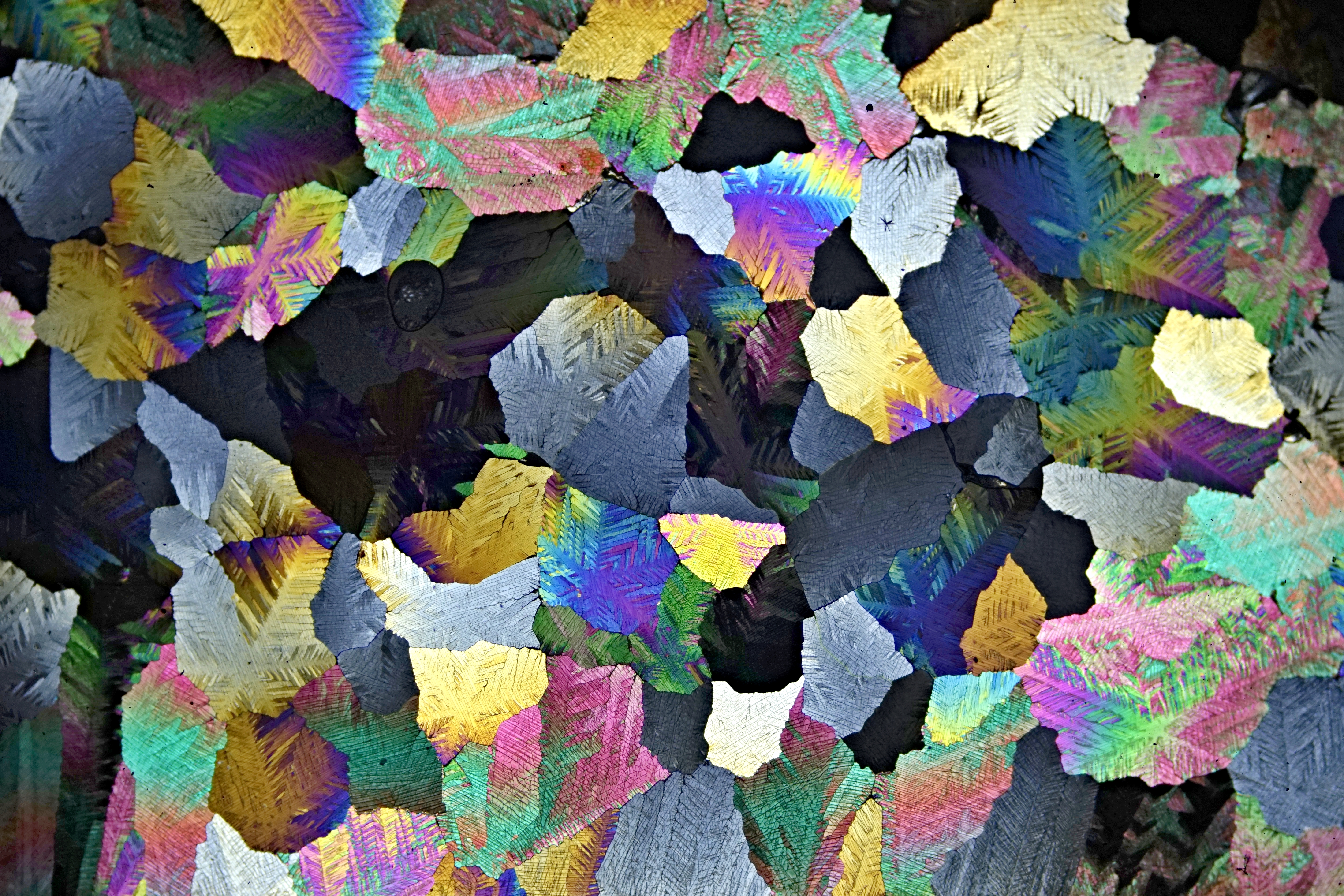
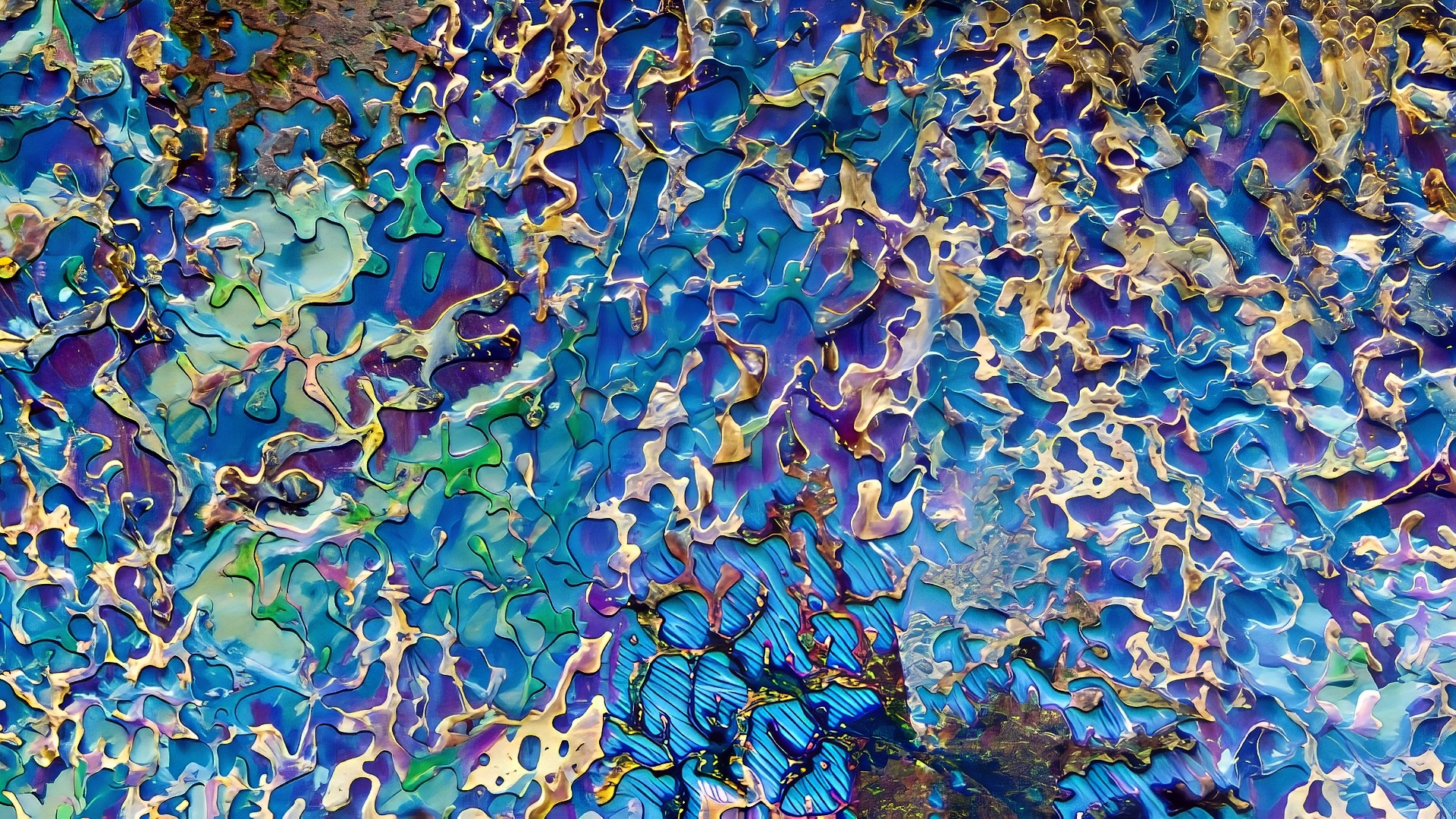
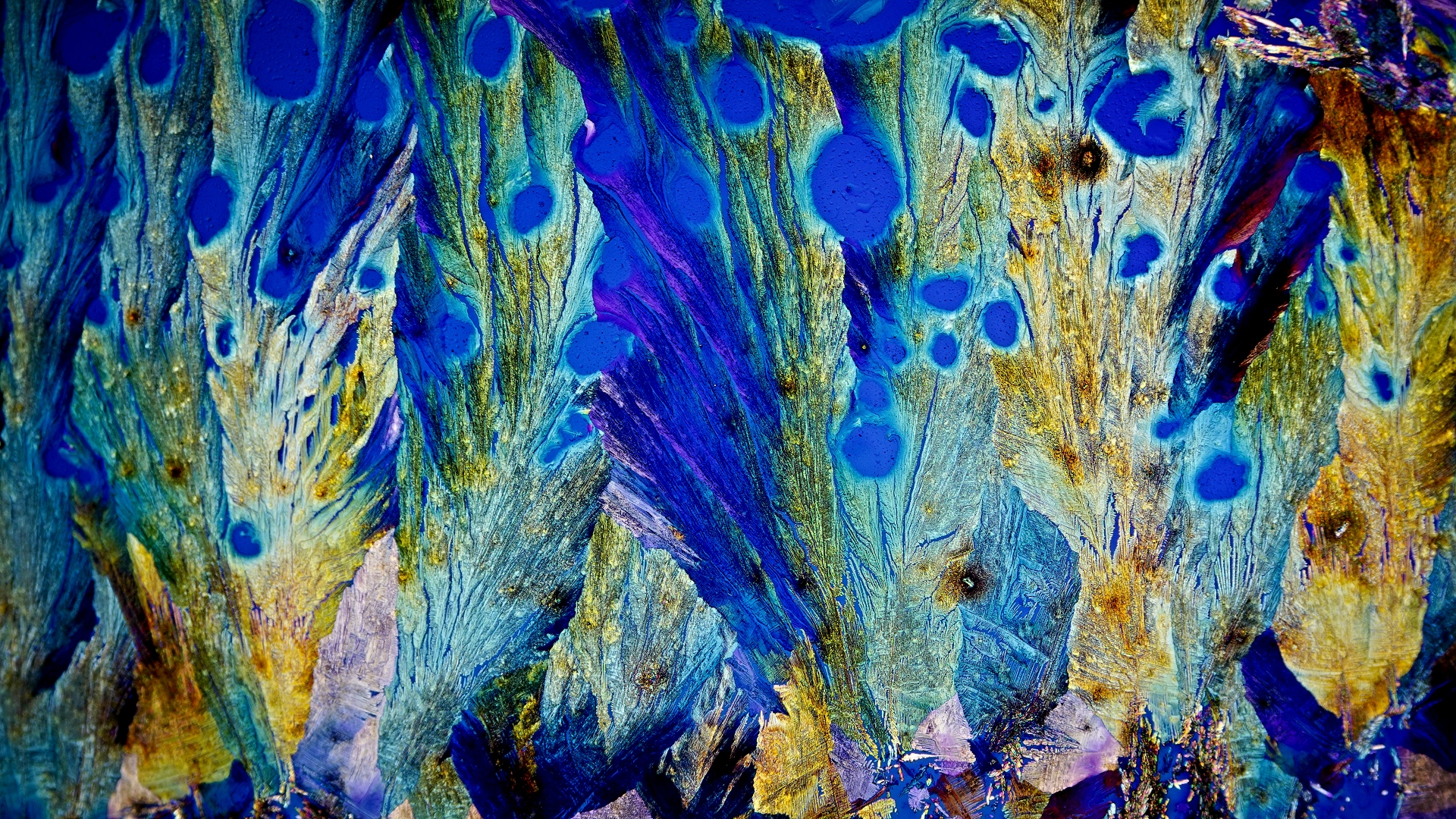
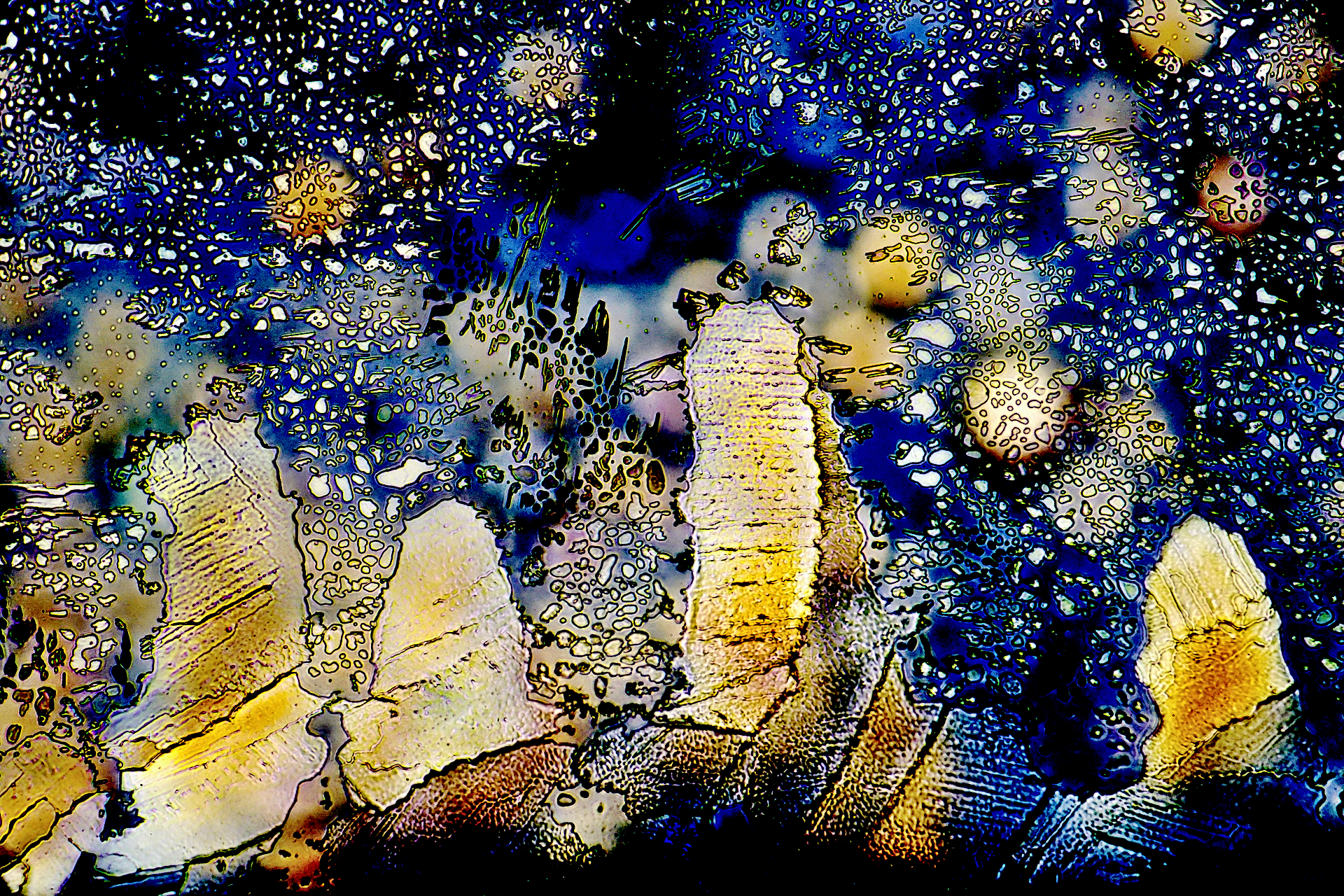
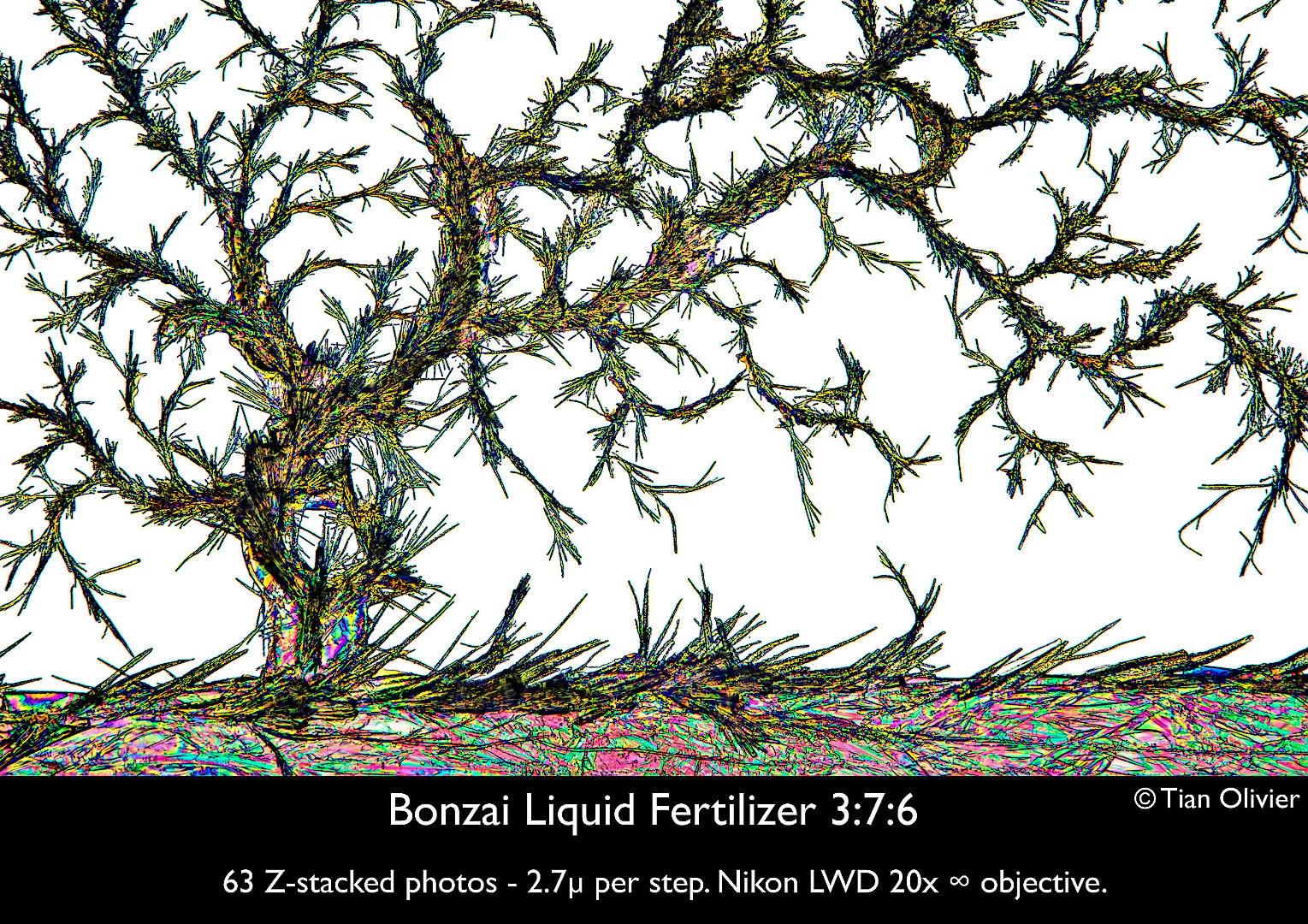
Evaporation reveals the invisible chemistry within liquids, leaving behind crystalline structures shaped by concentration, temperature and time.
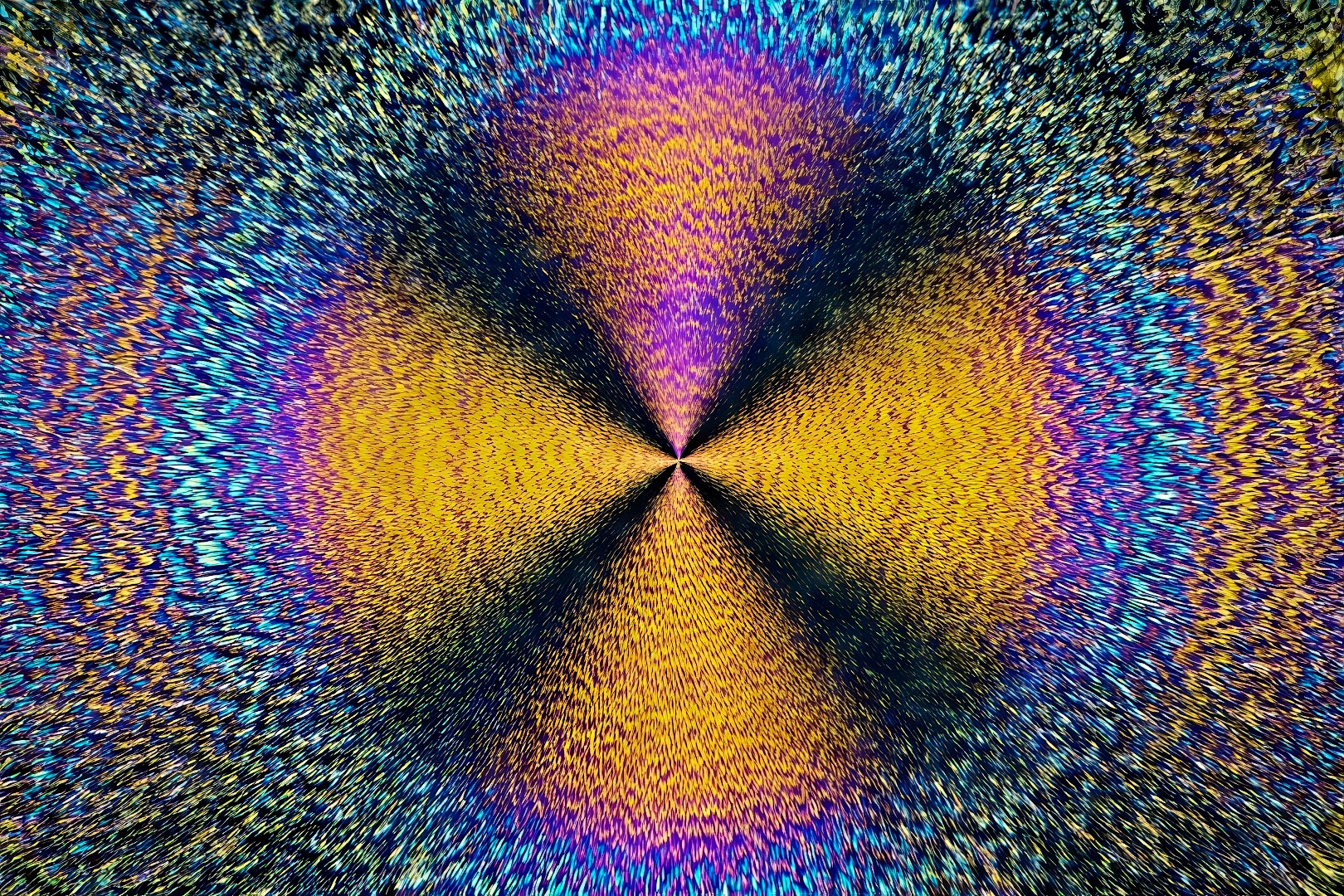
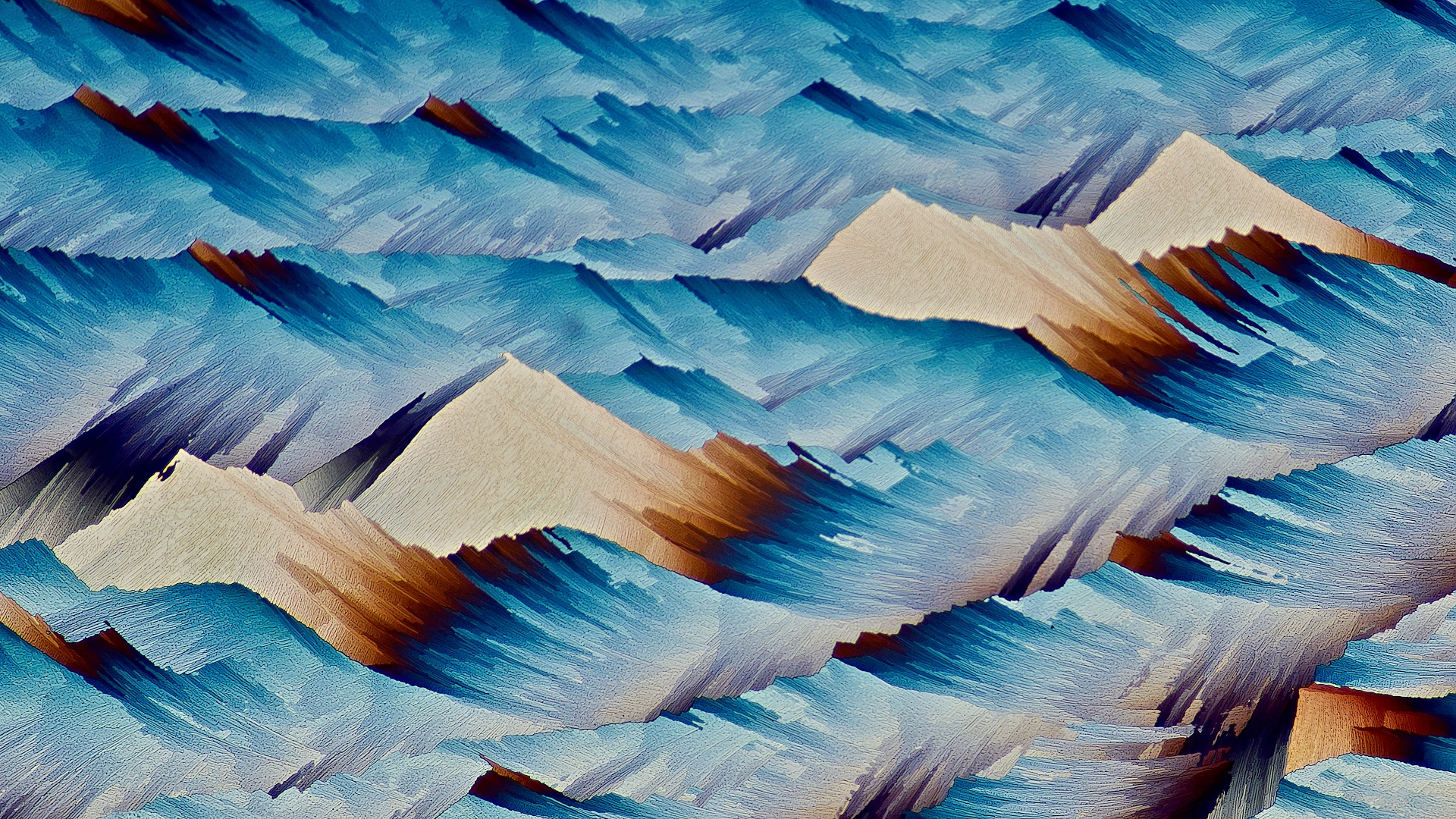
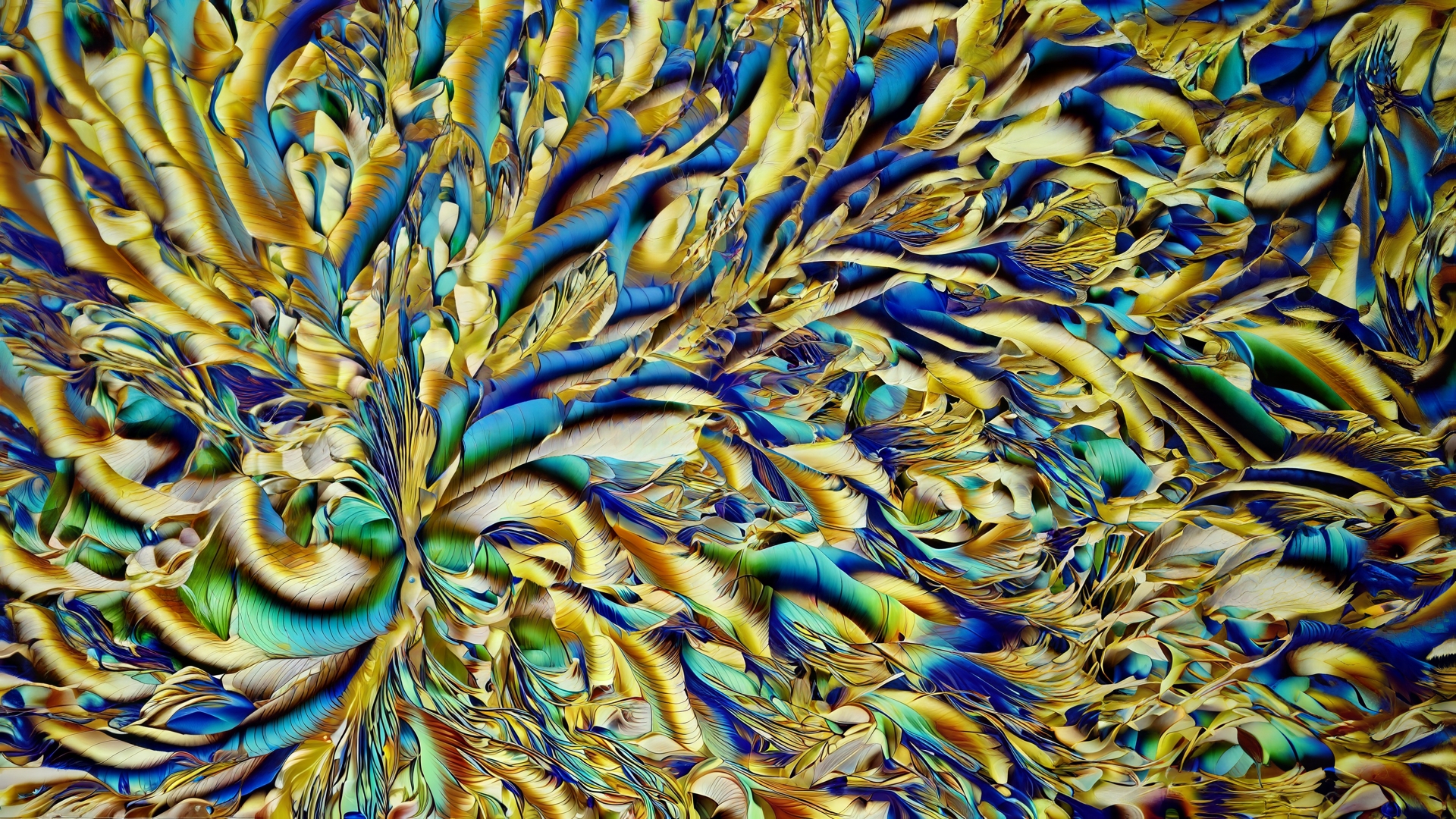
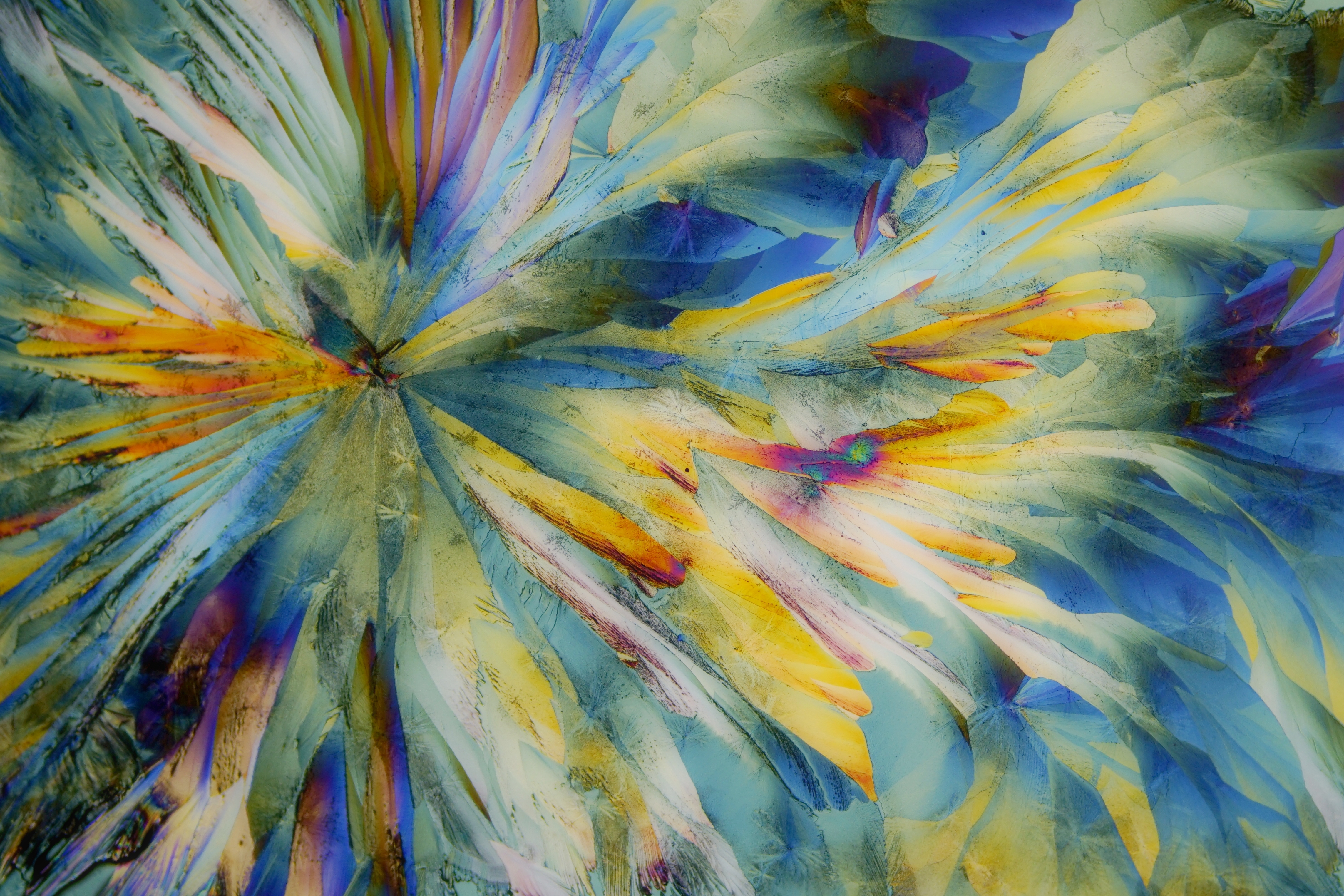
Within tiny trapped air bubbles, melting crystals create miniature geodes — hidden chambers where chemistry, heat and time shape delicate crystal worlds.
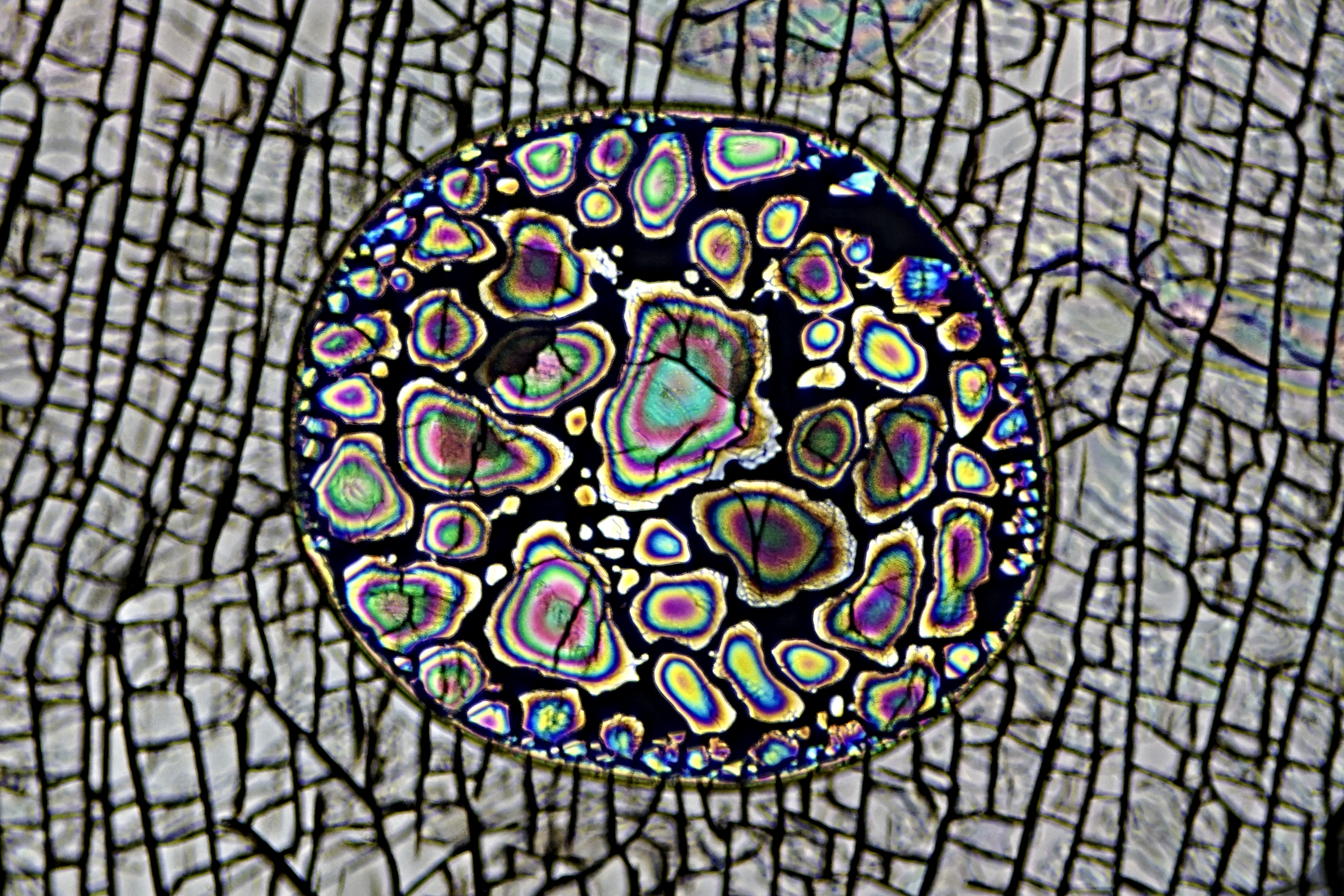
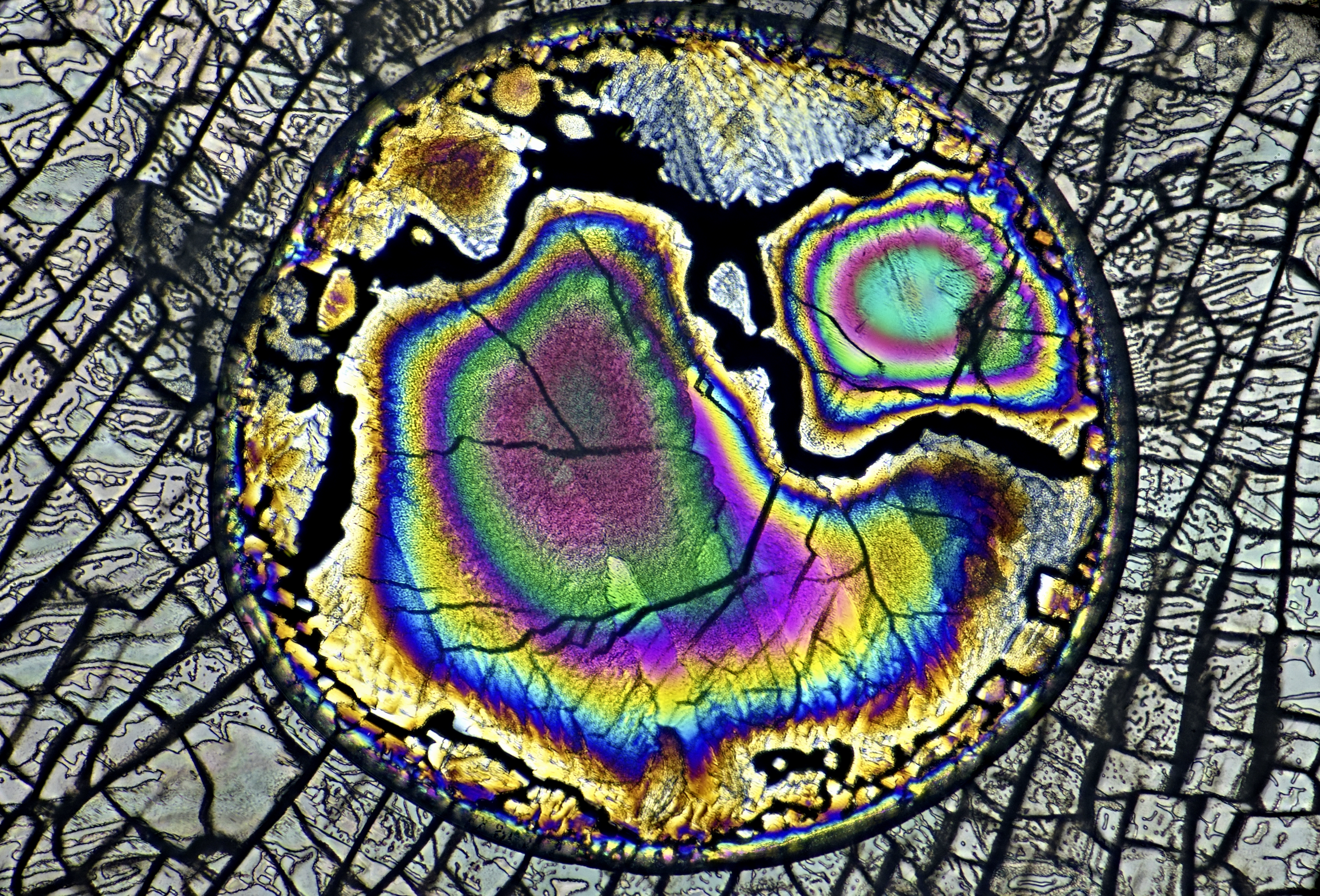
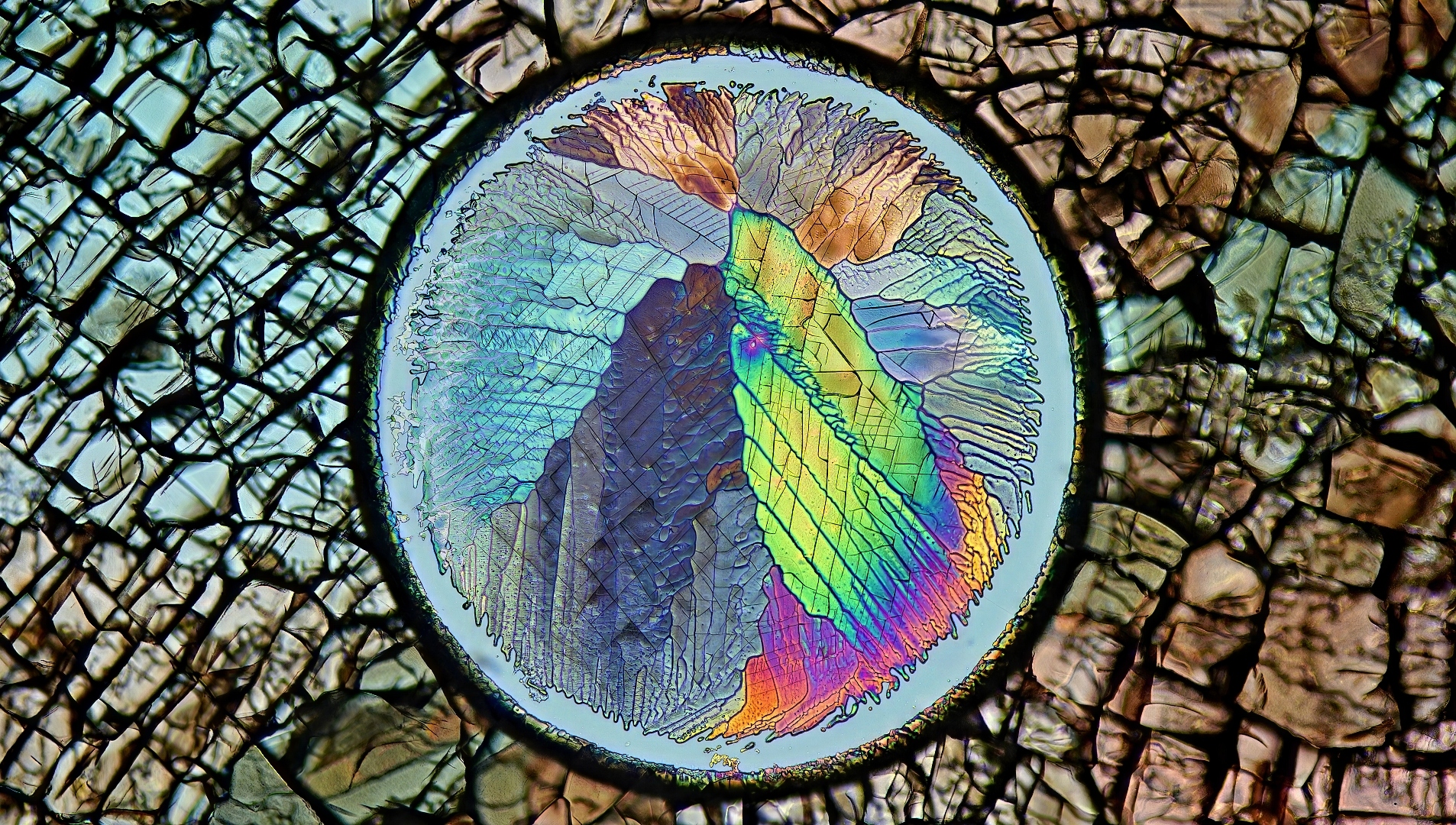
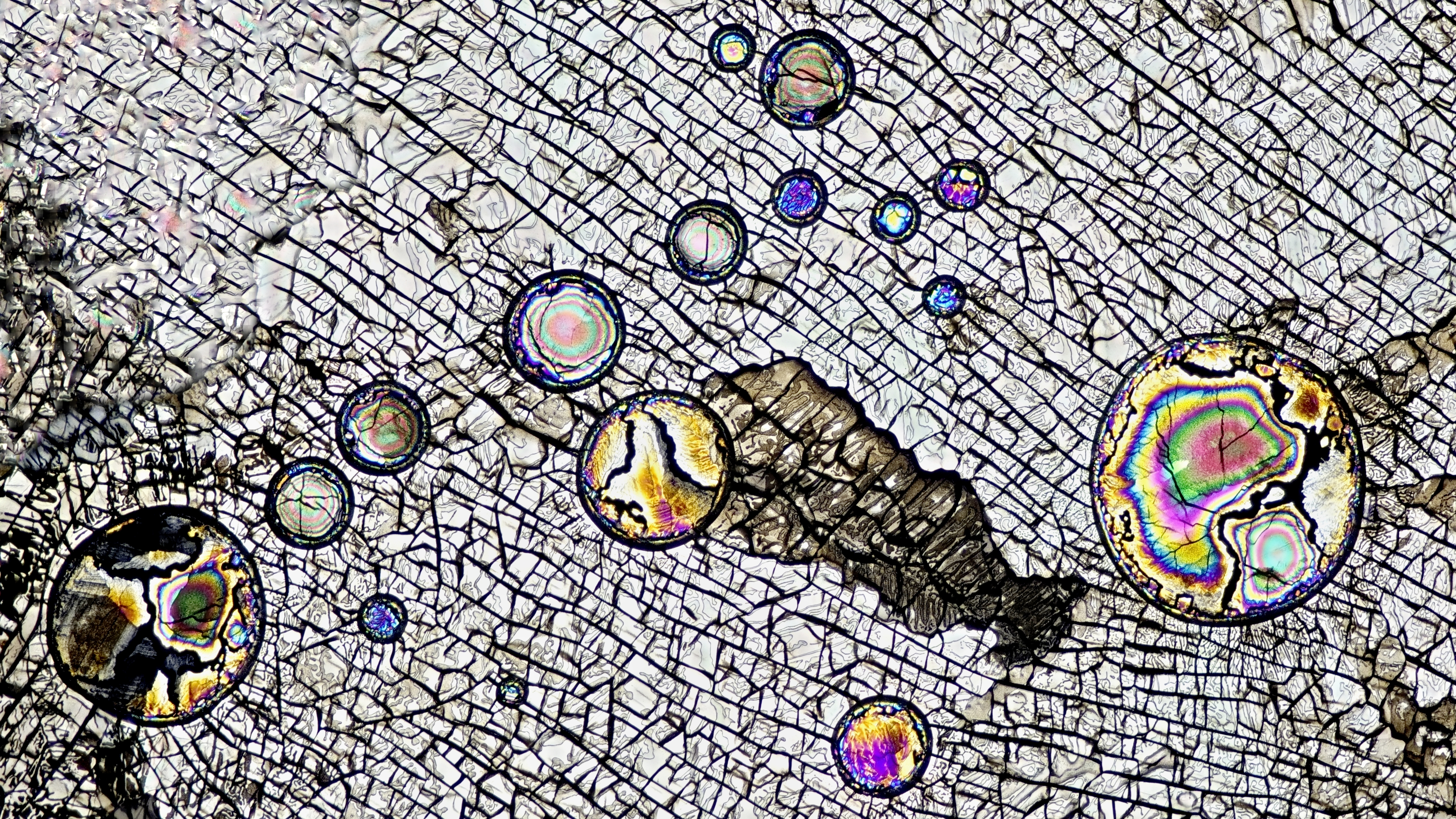
As water freezes/melts, ice crystals form intricate structures that bend and split polarized light, revealing a hidden world of colour, symmetry and texture.
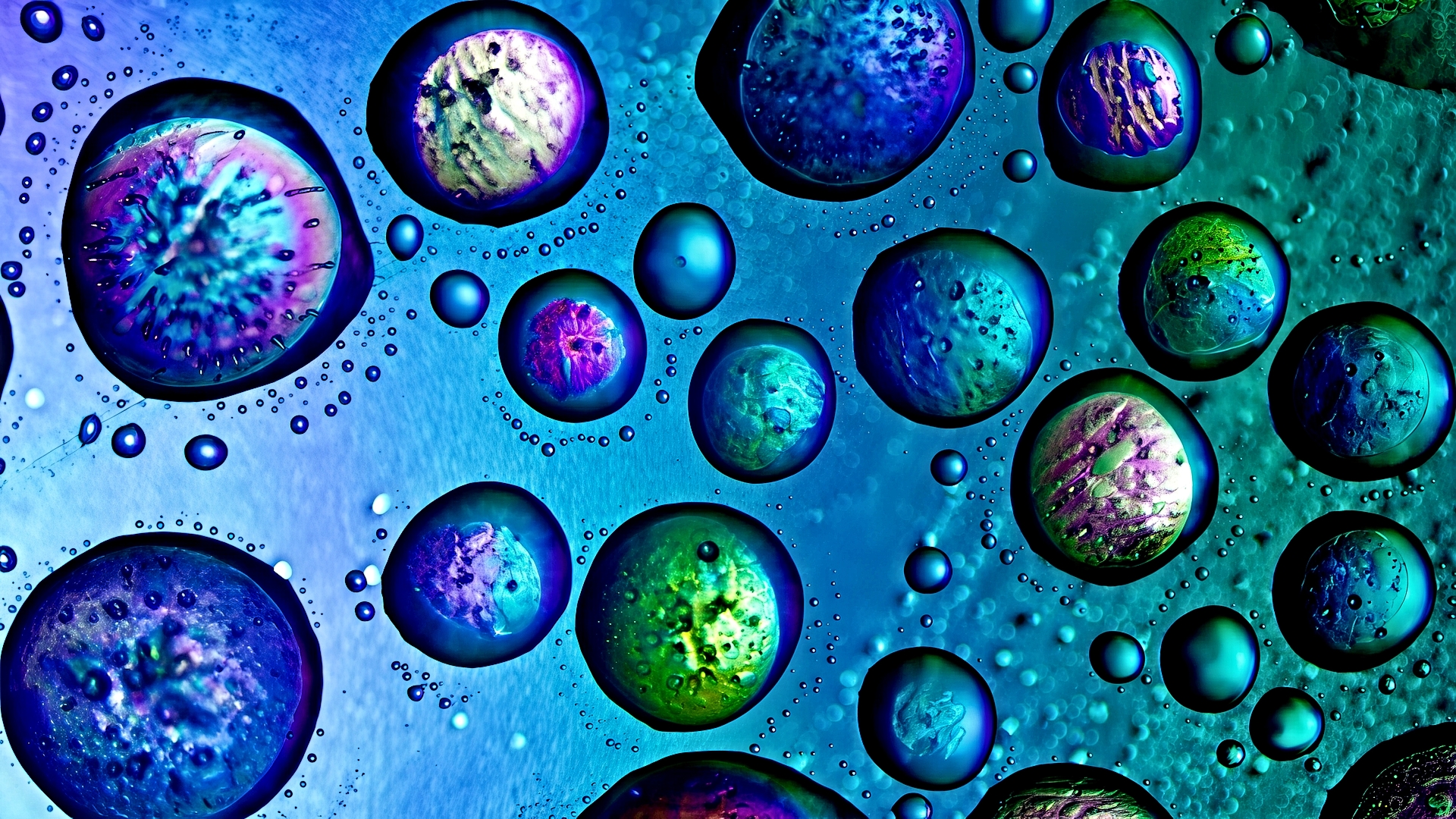
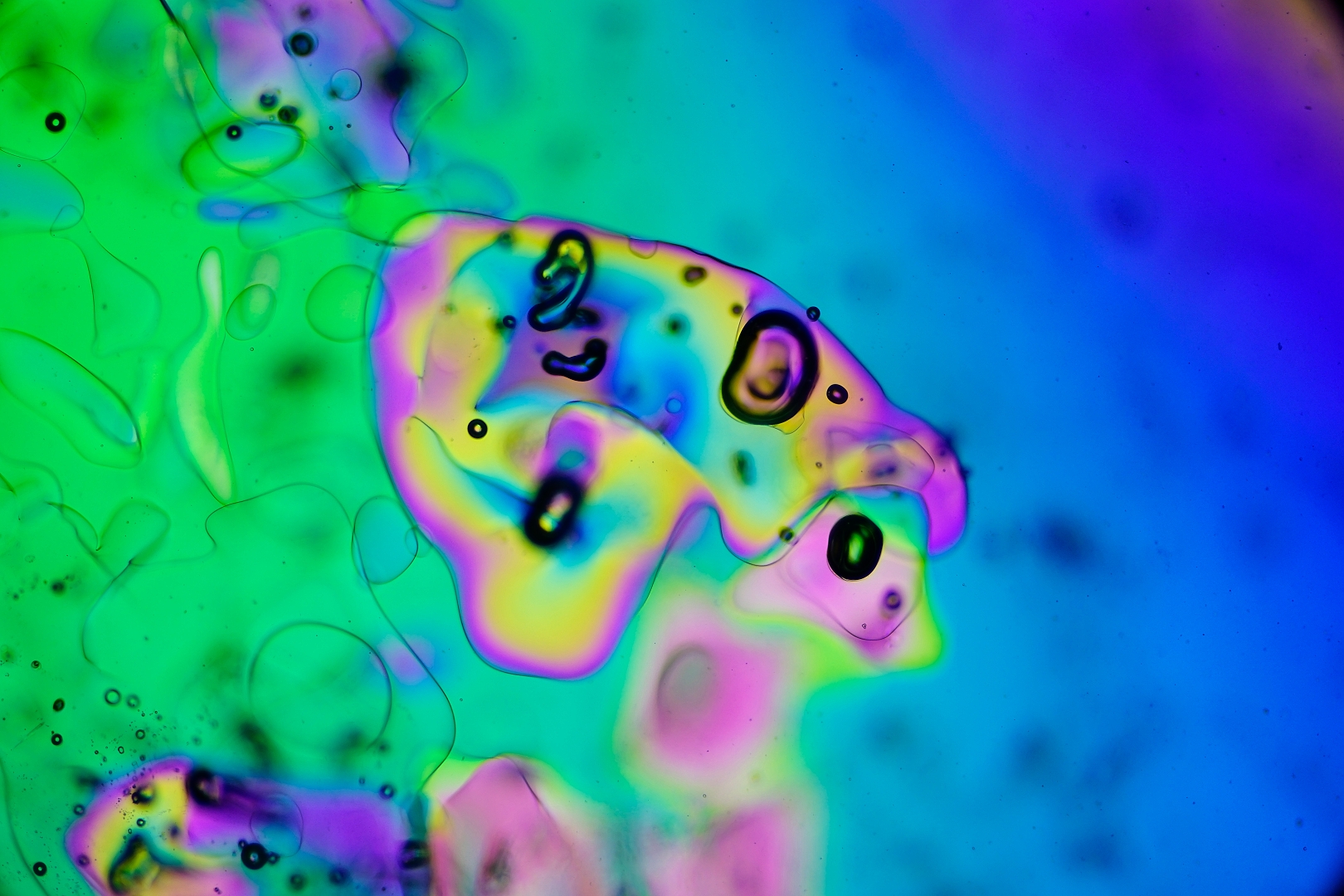
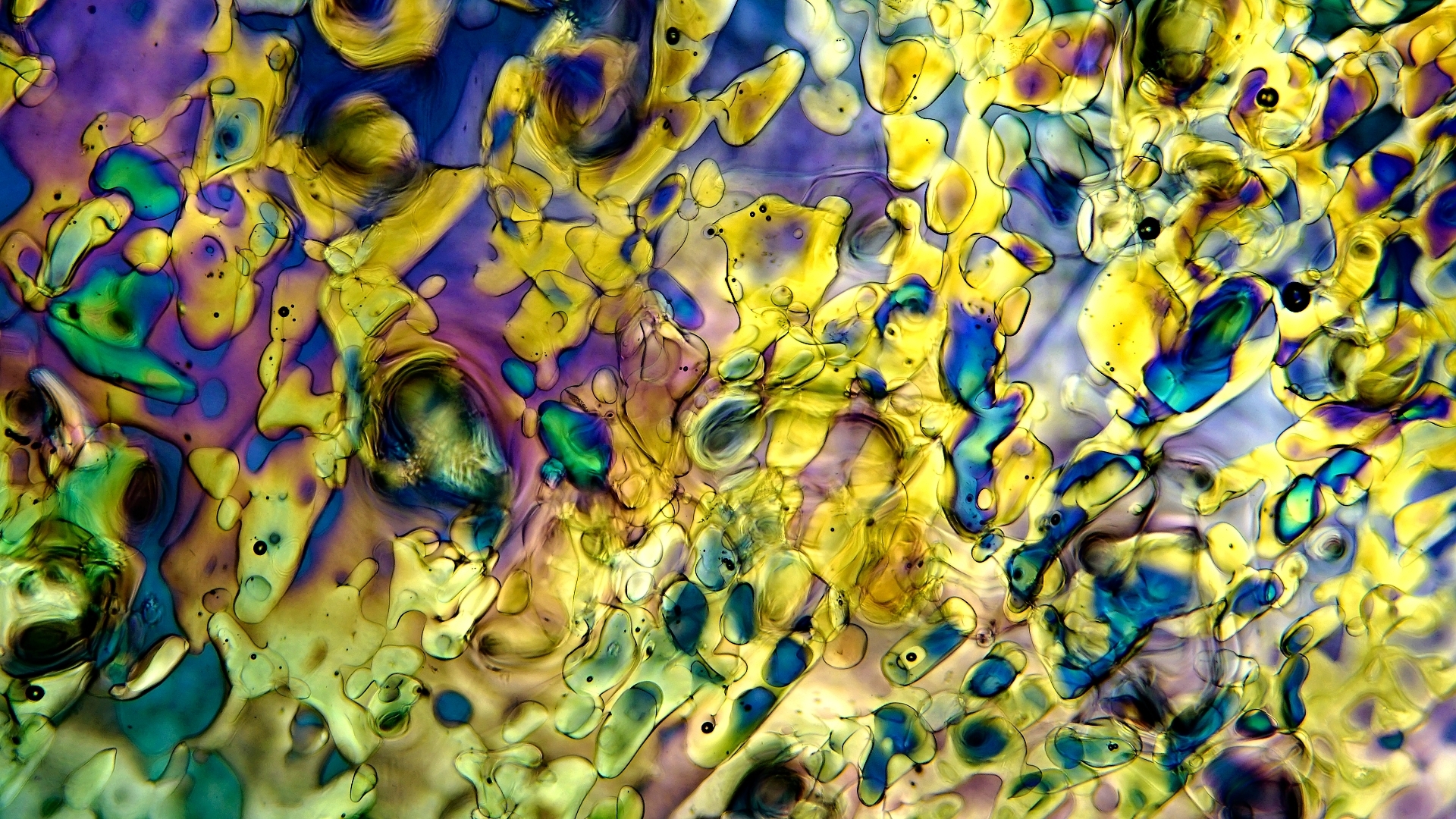
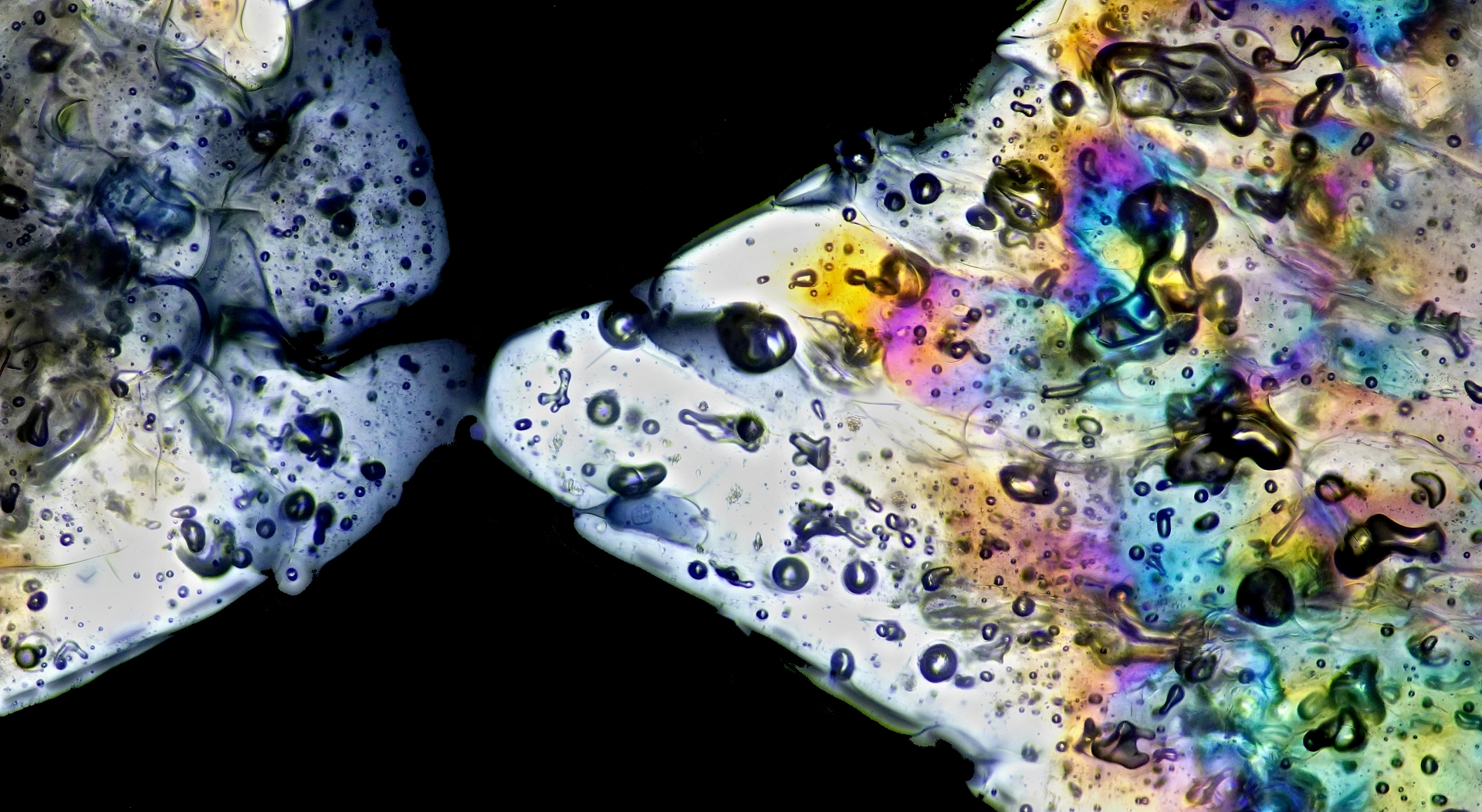
A familiar ingredient from the kitchen is transformed into a microscopic landscape — showing the beauty hidden within everyday materials and the chemistry that surrounds us.
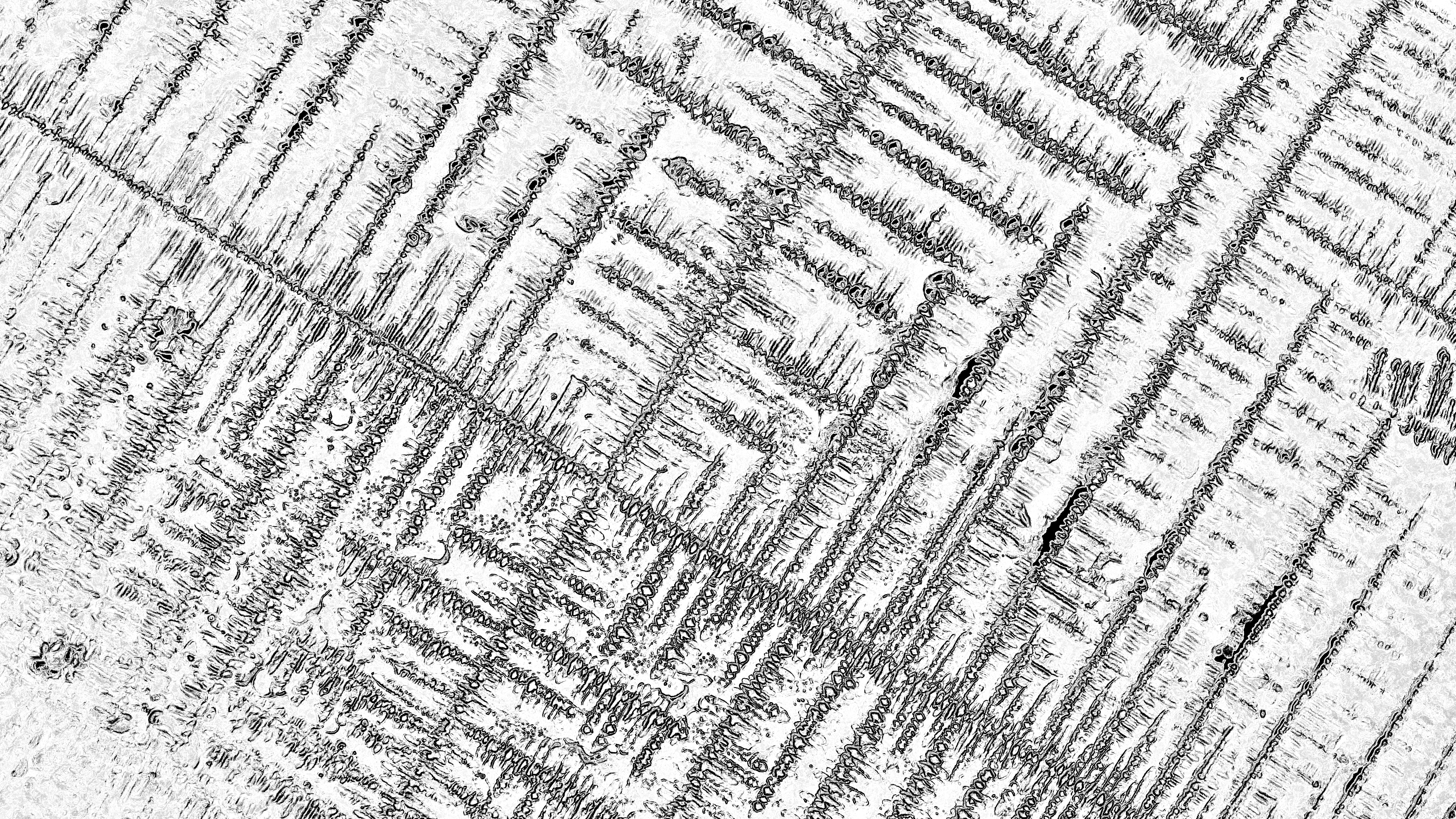
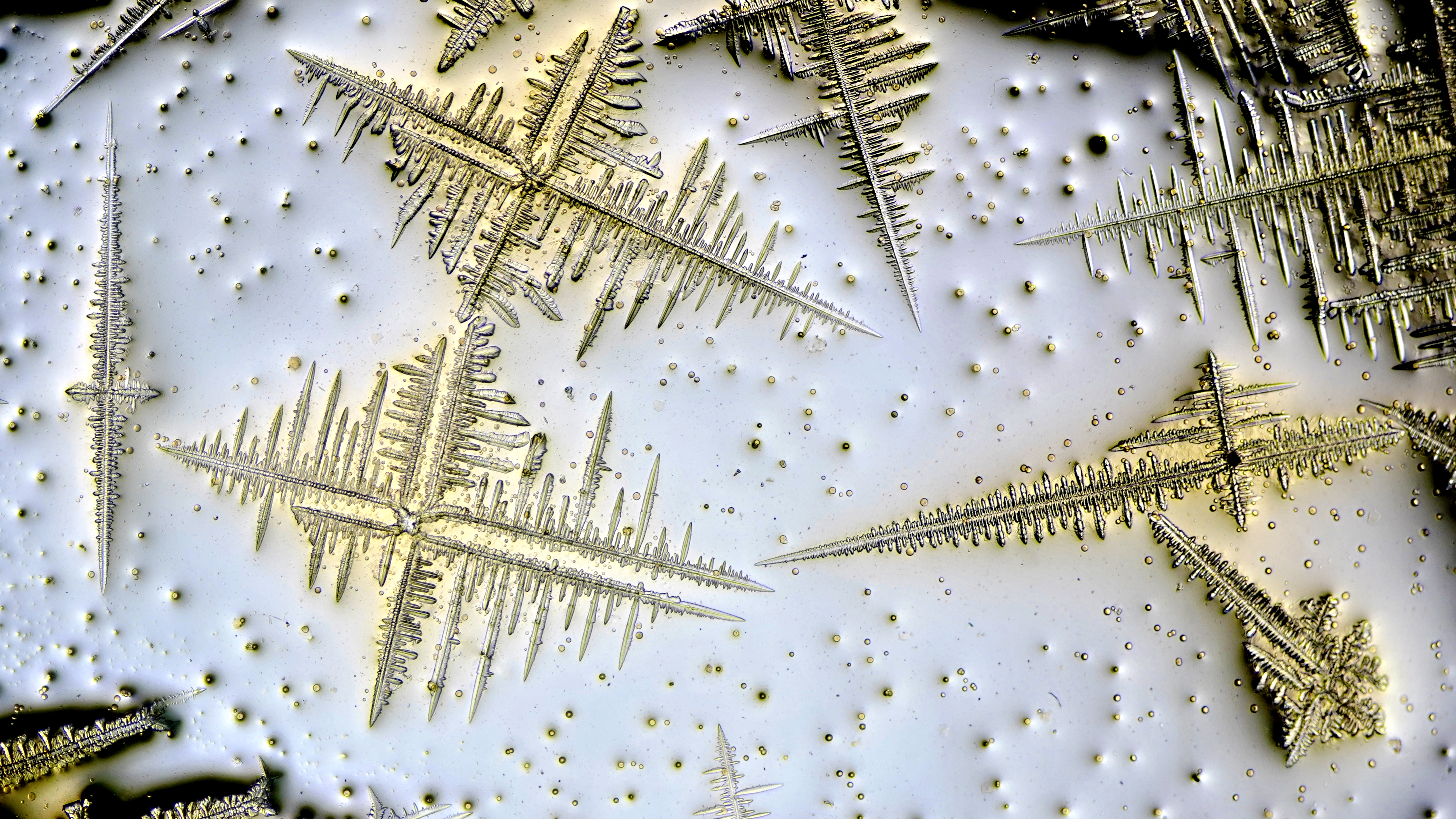
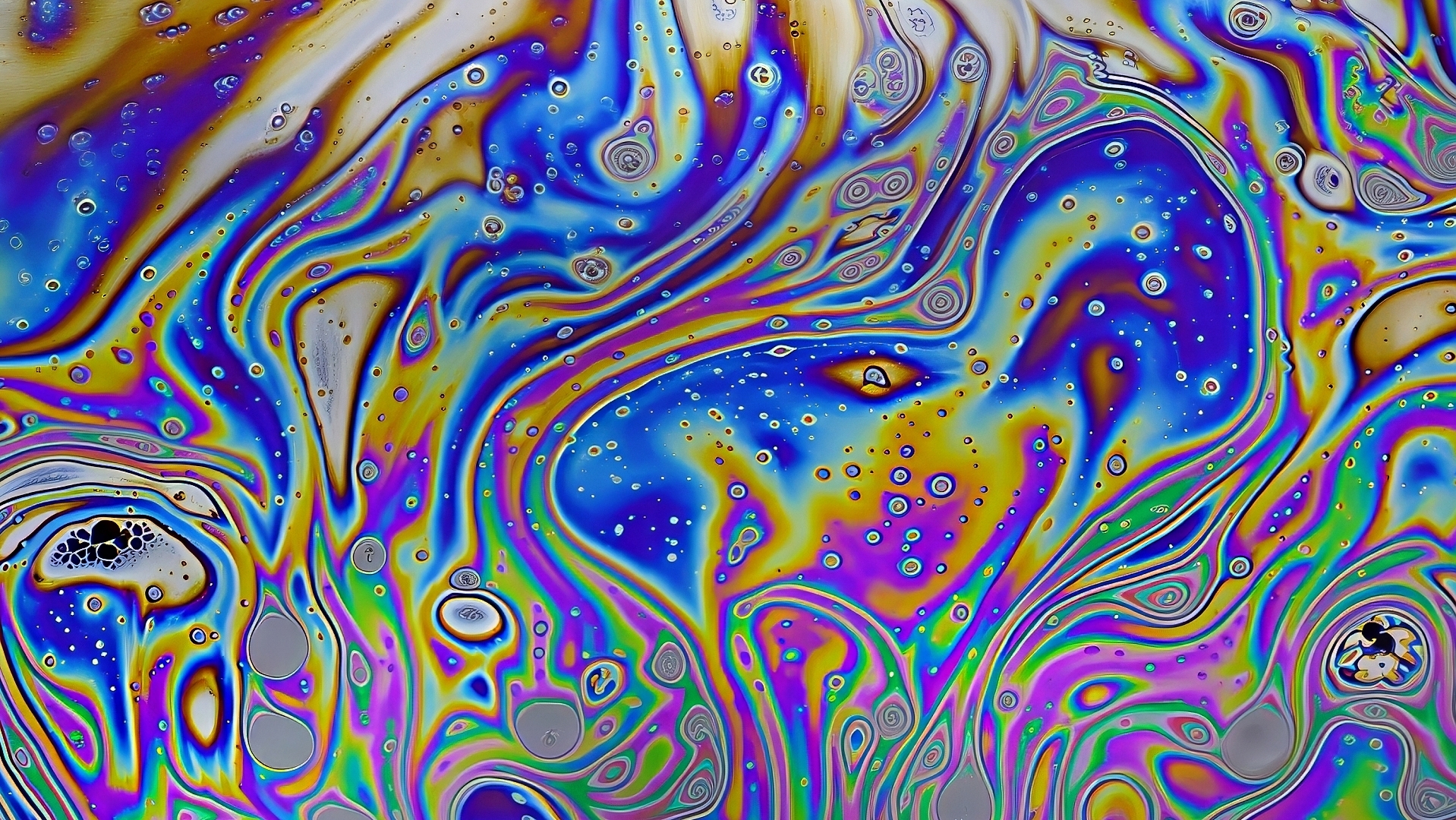
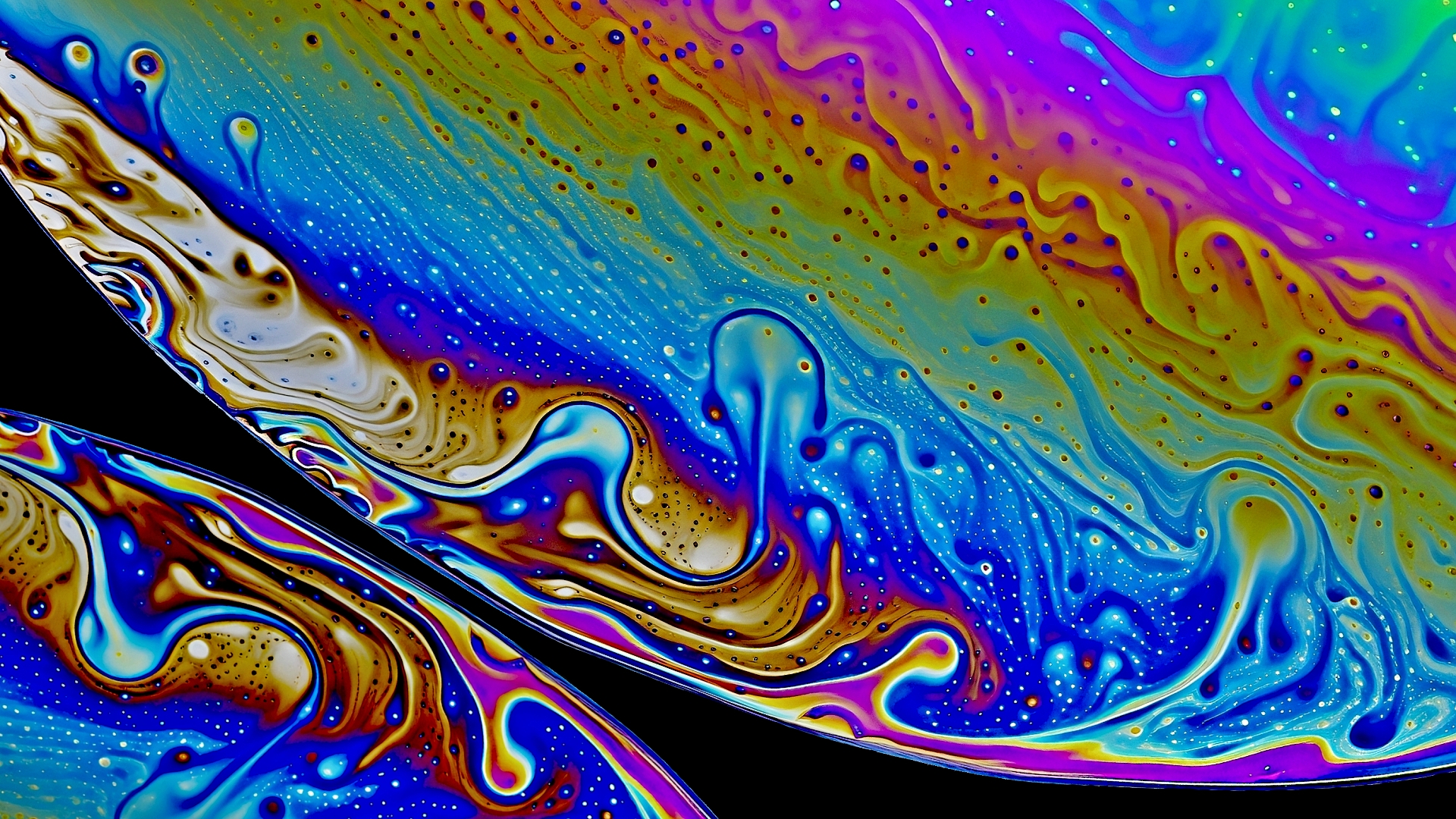
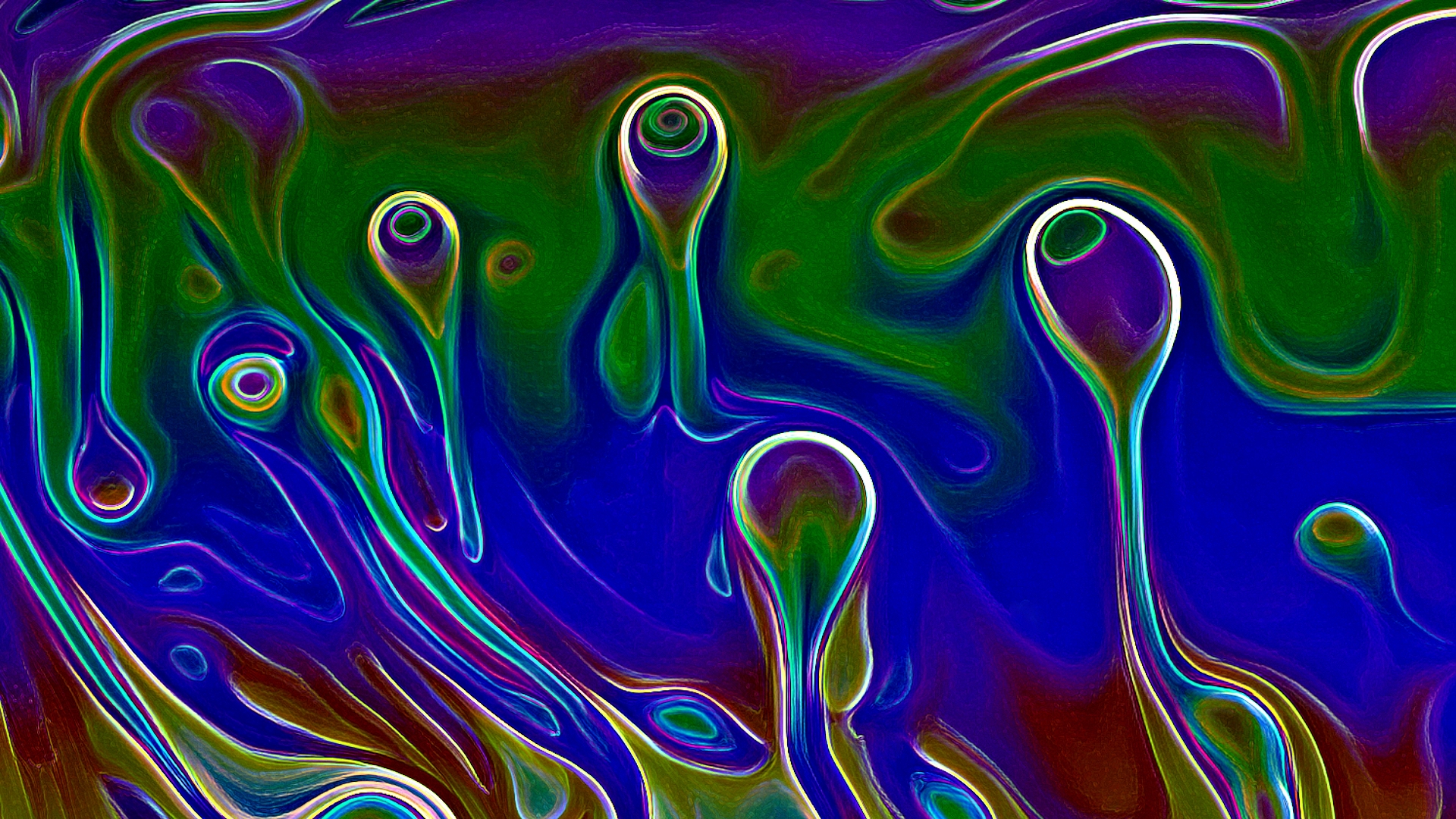
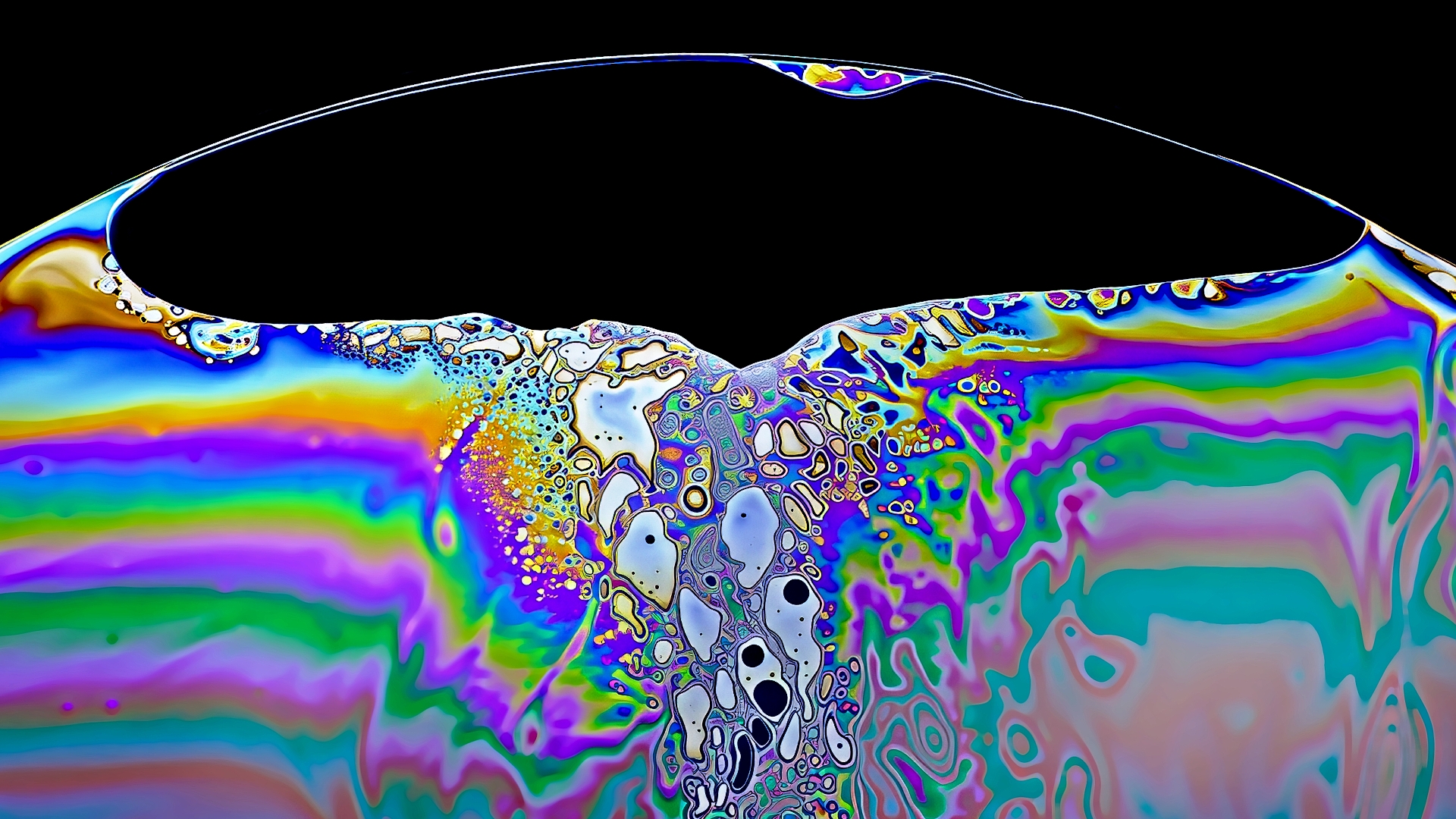
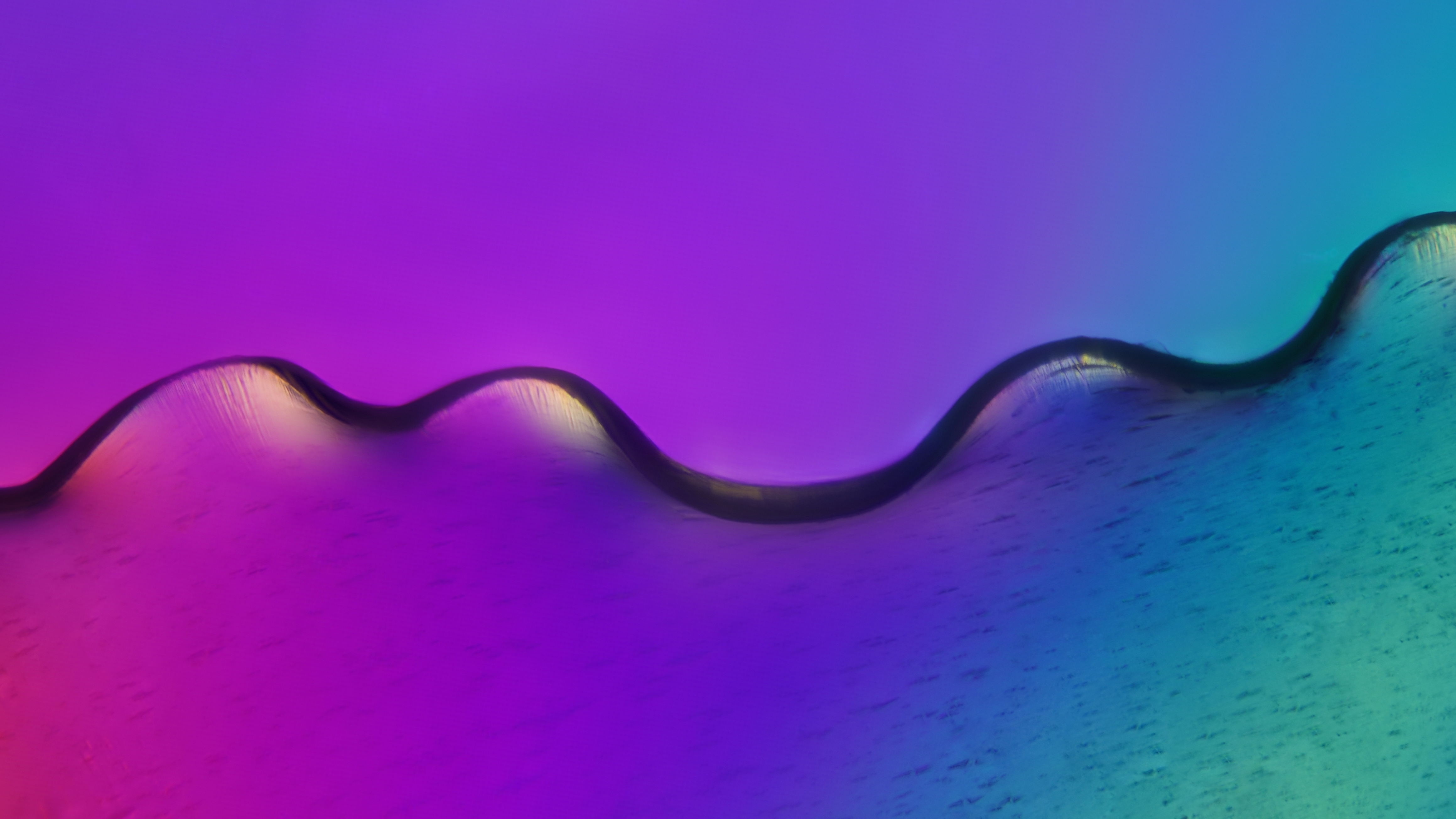
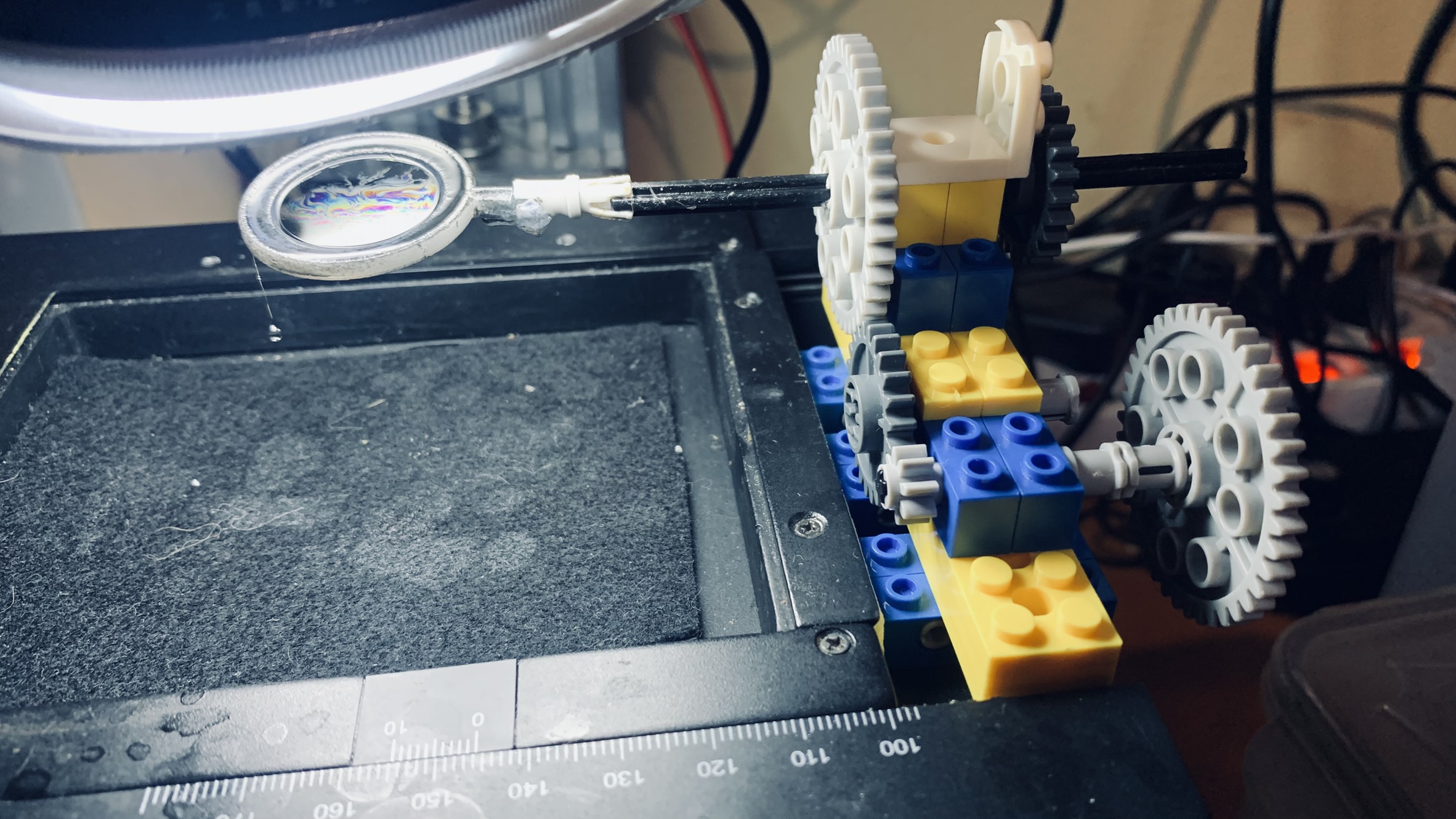
Thin soap films reveal a hidden world of colour, created by interference, stress and the delicate balance of surfaces.
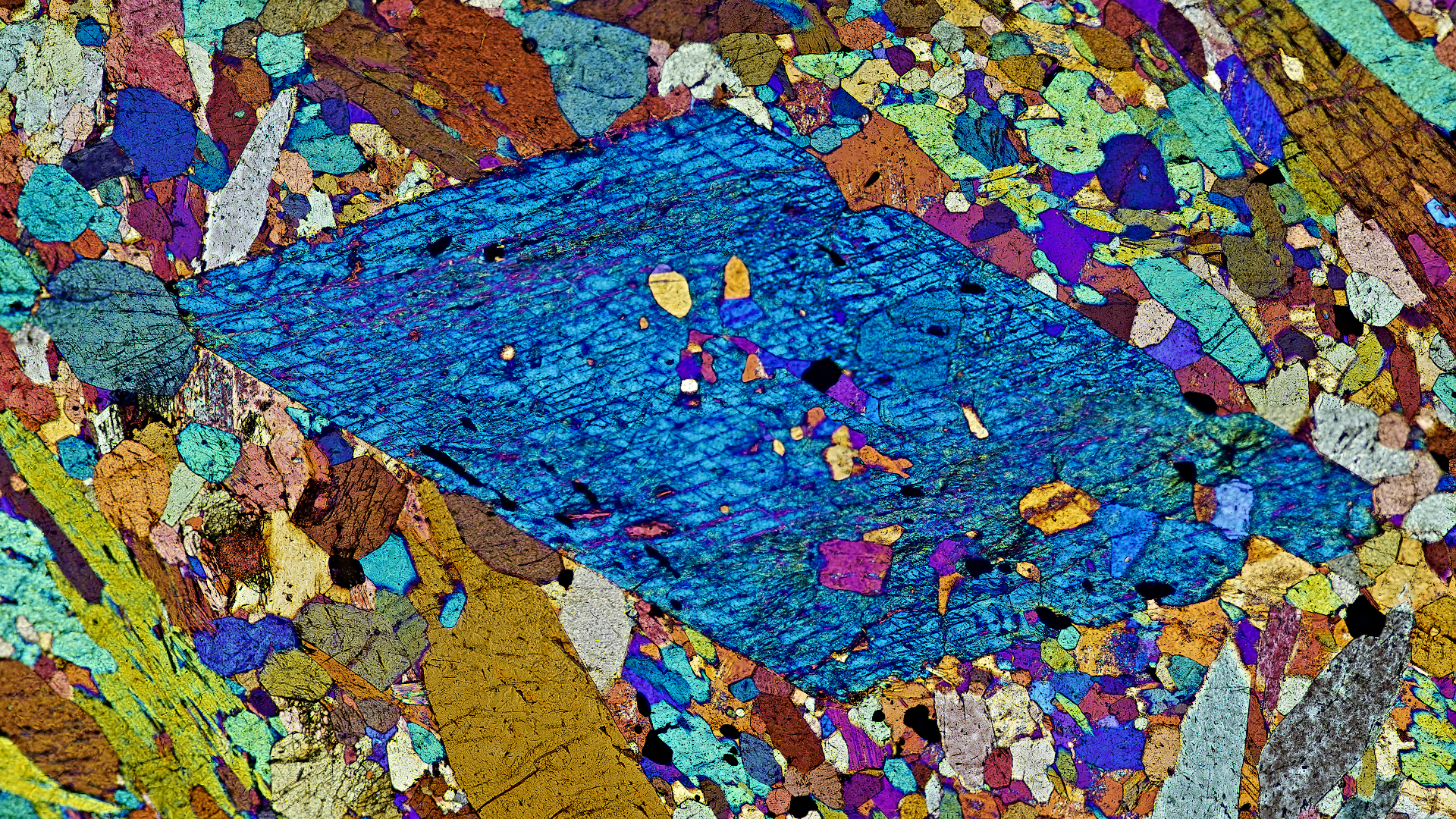
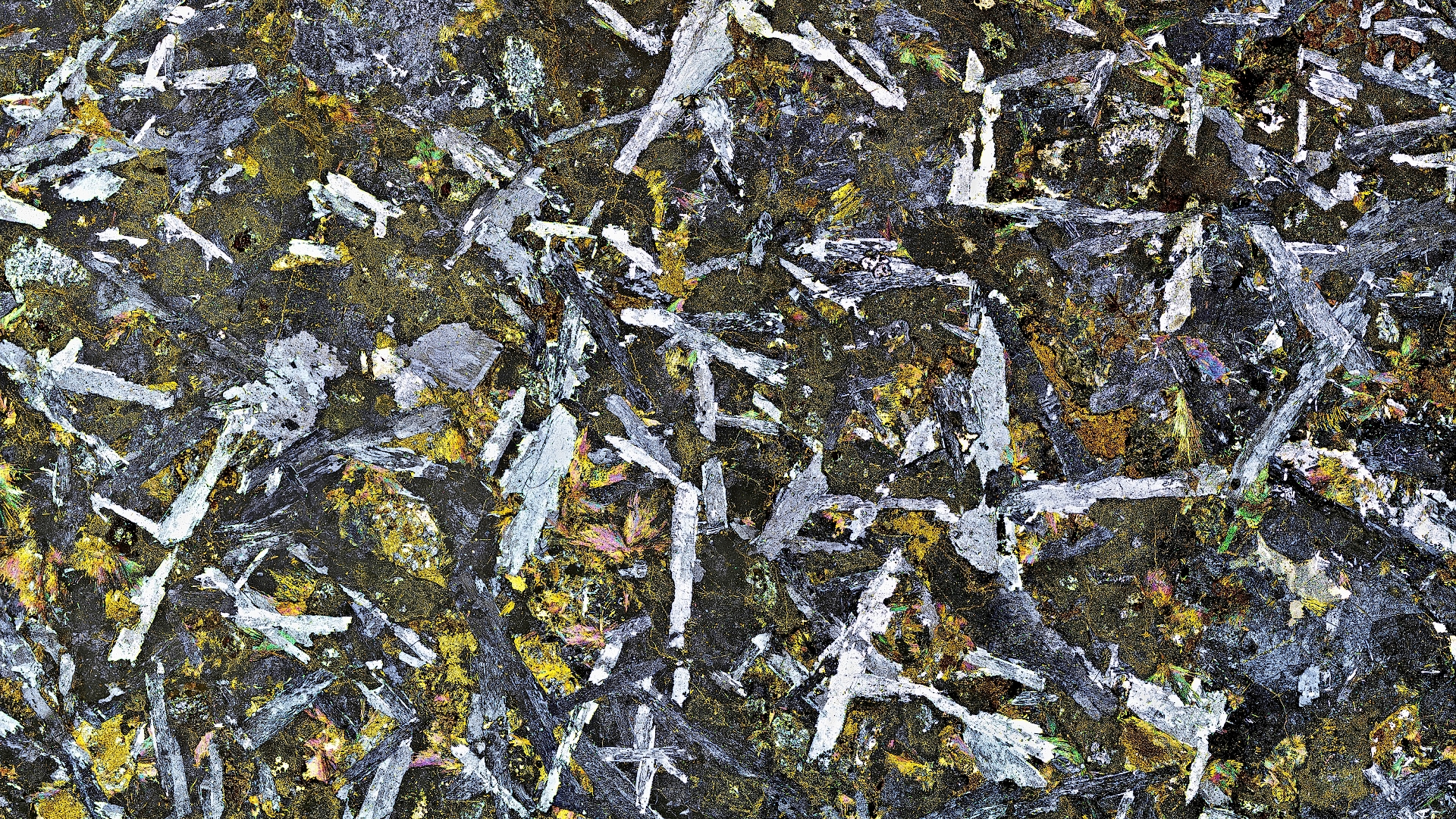
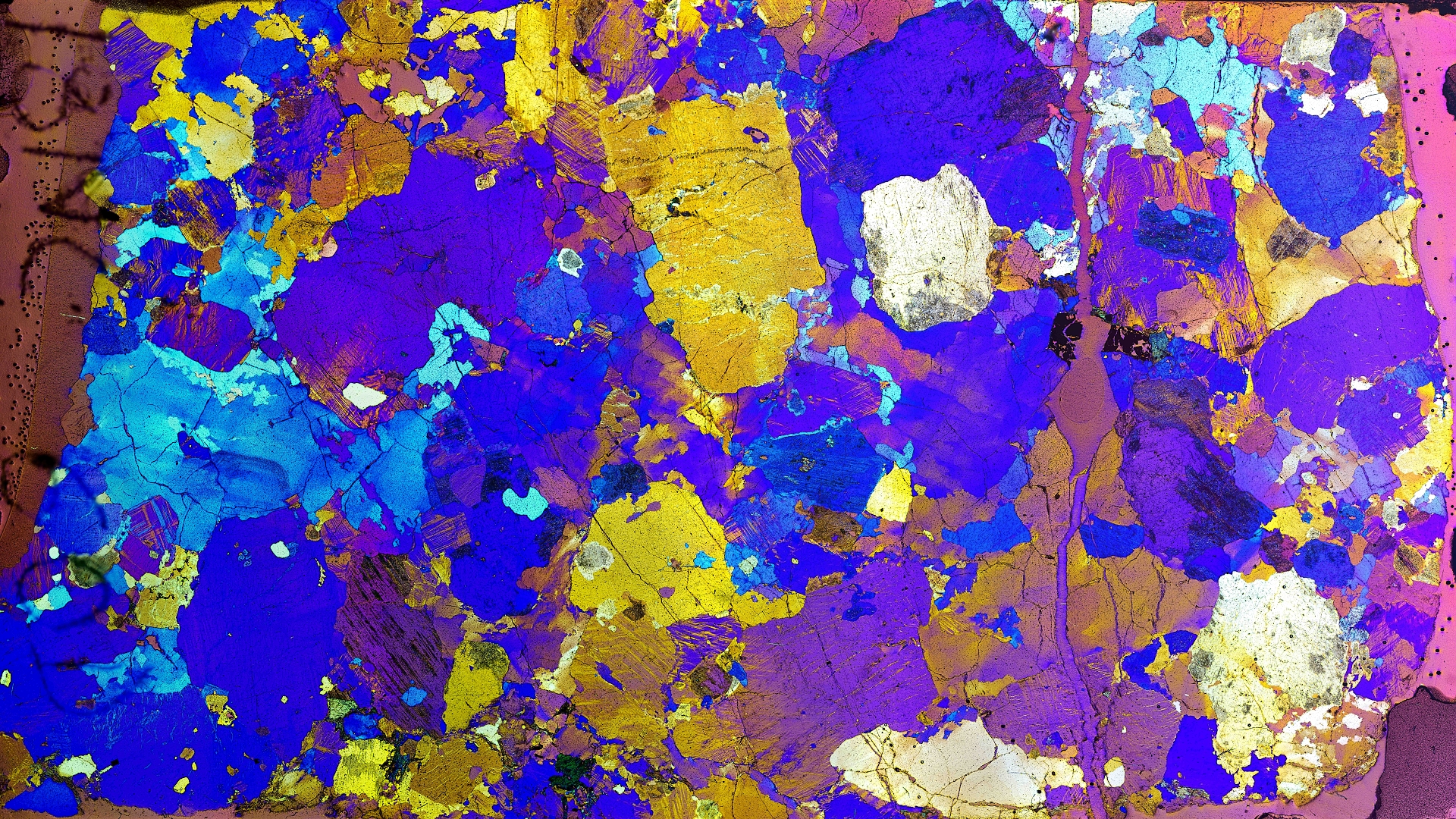
Viewed through polarized light, rock sections just 30 µm thick reveal their mineral structure through striking colours, textures and crystalline patterns. The sections were photographed in multiple frames at 4× magnification and stitched together to create a detailed view of the complete sample. Specimens collected in South Africa were prepared and provided by the University of Johannesburg’s Department of Geology.
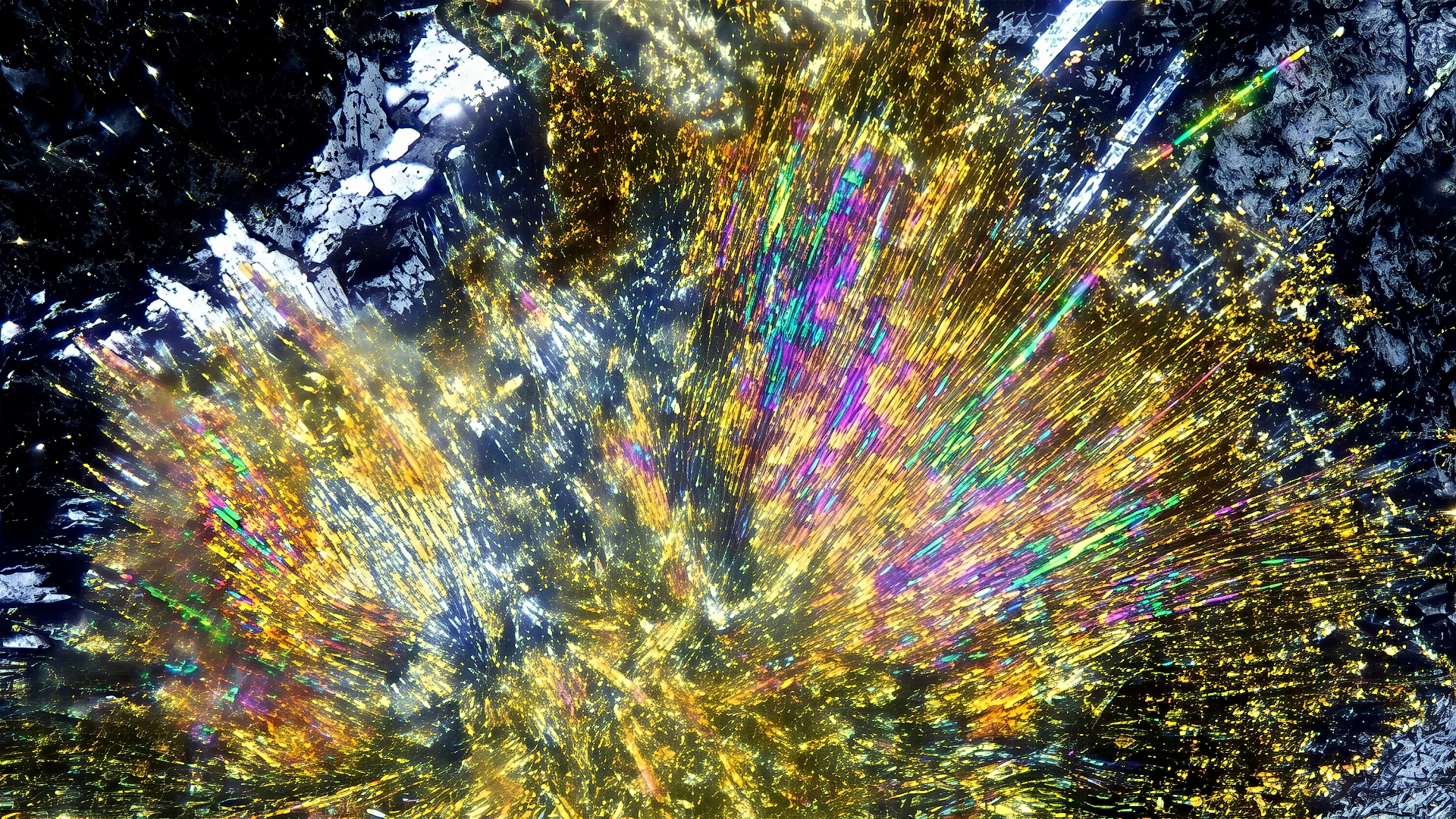
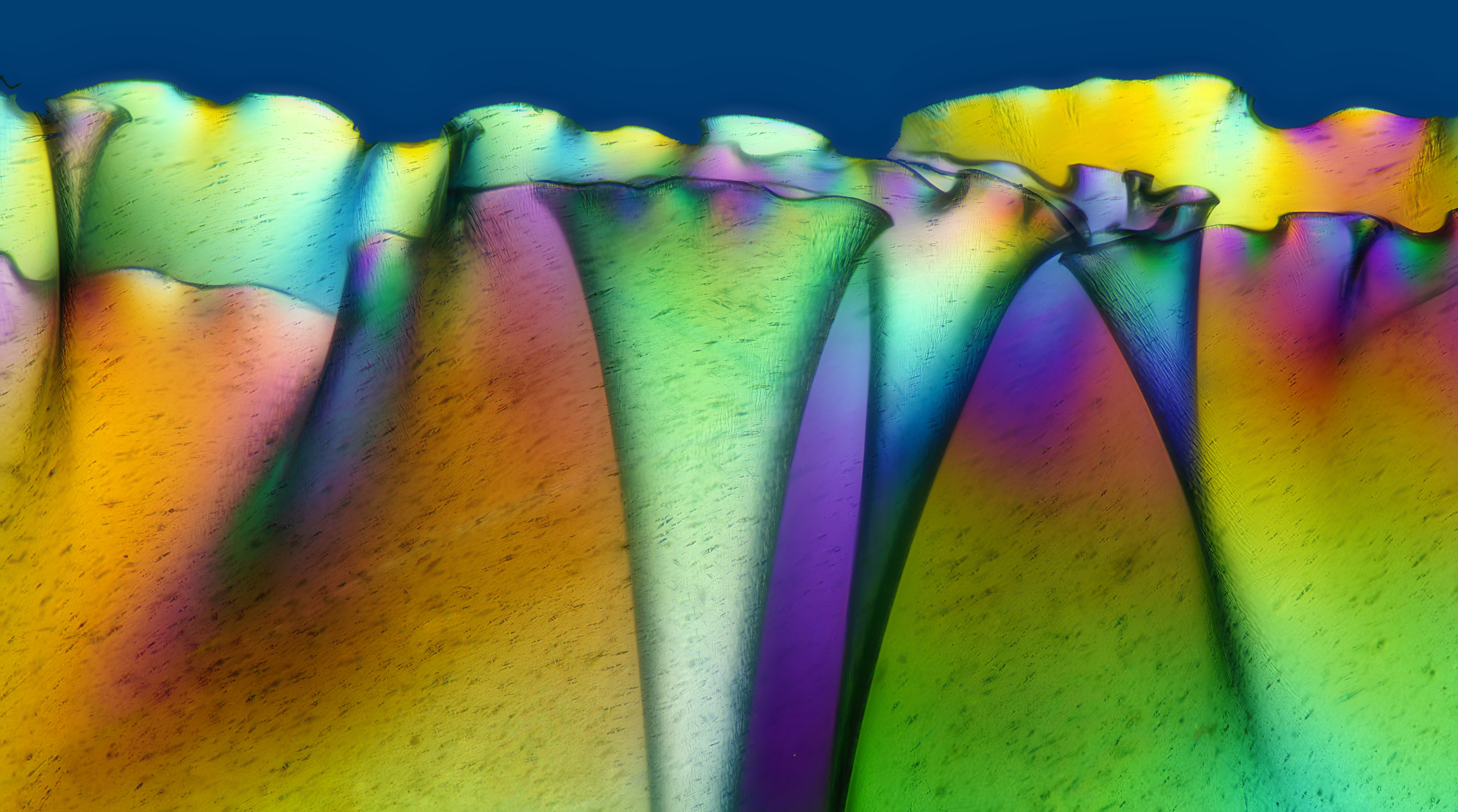
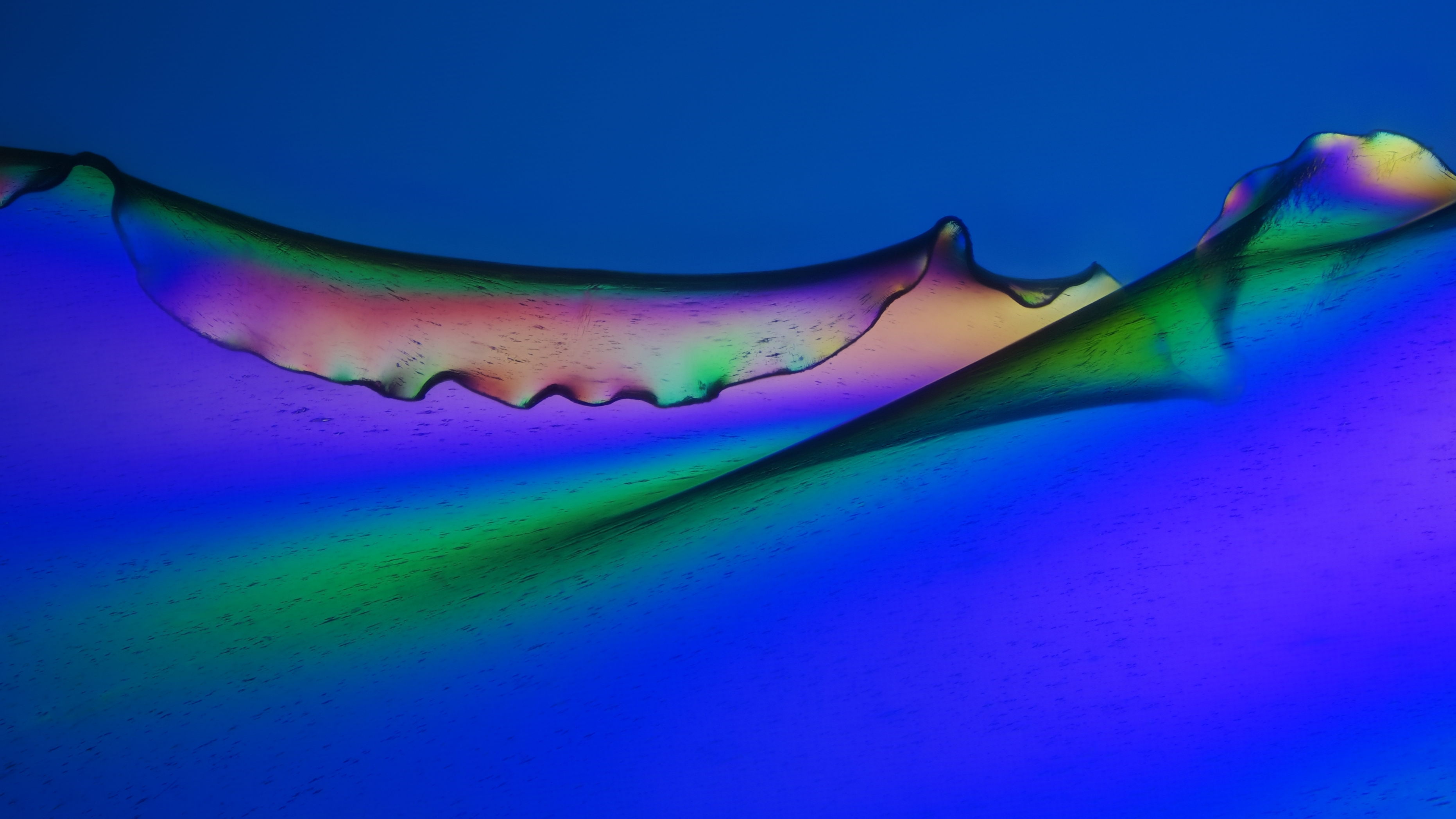
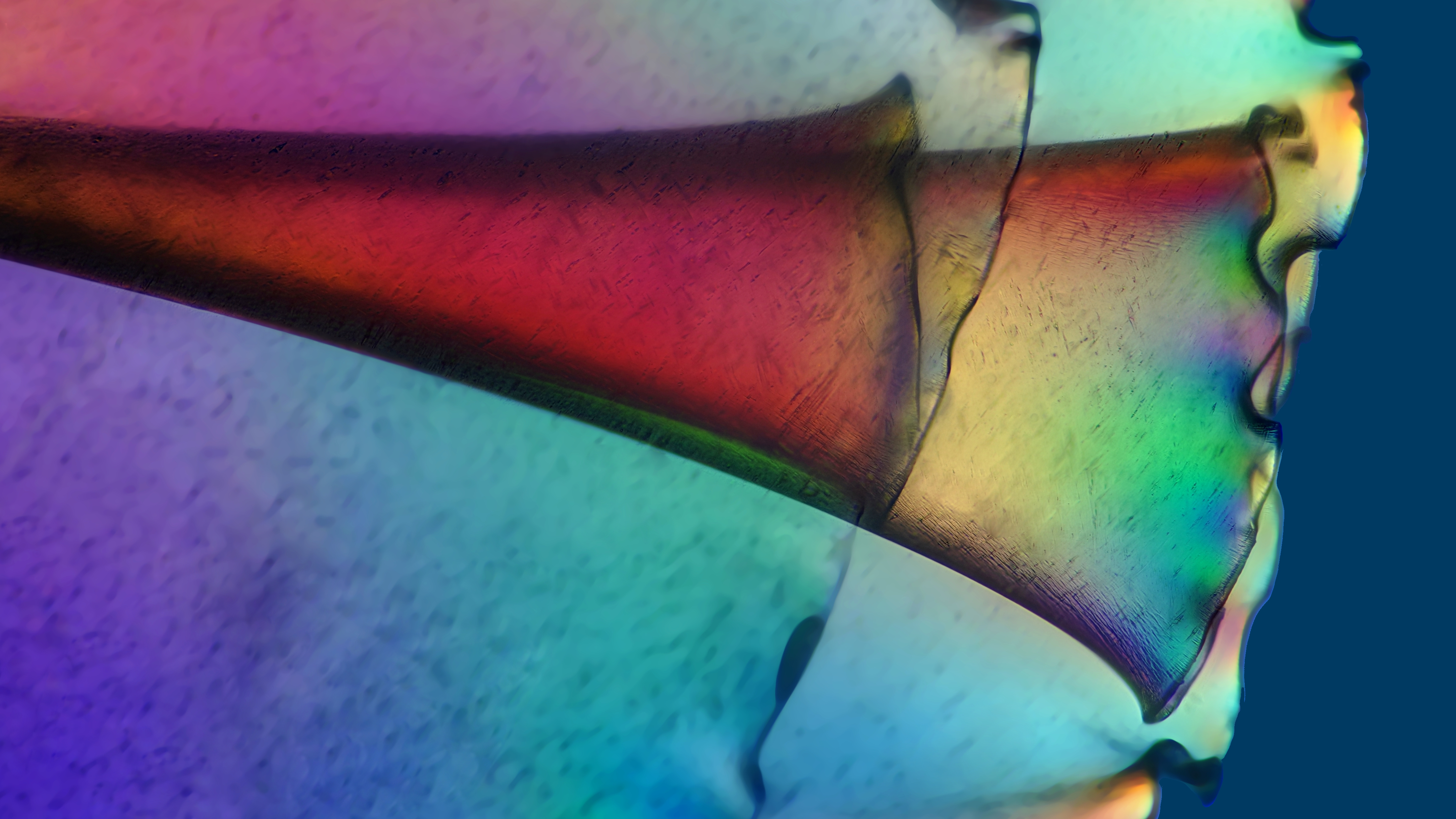
When stretched or deformed, plastics develop internal stresses that alter the path of light, revealing colourful patterns through cross-polarized microscopy.
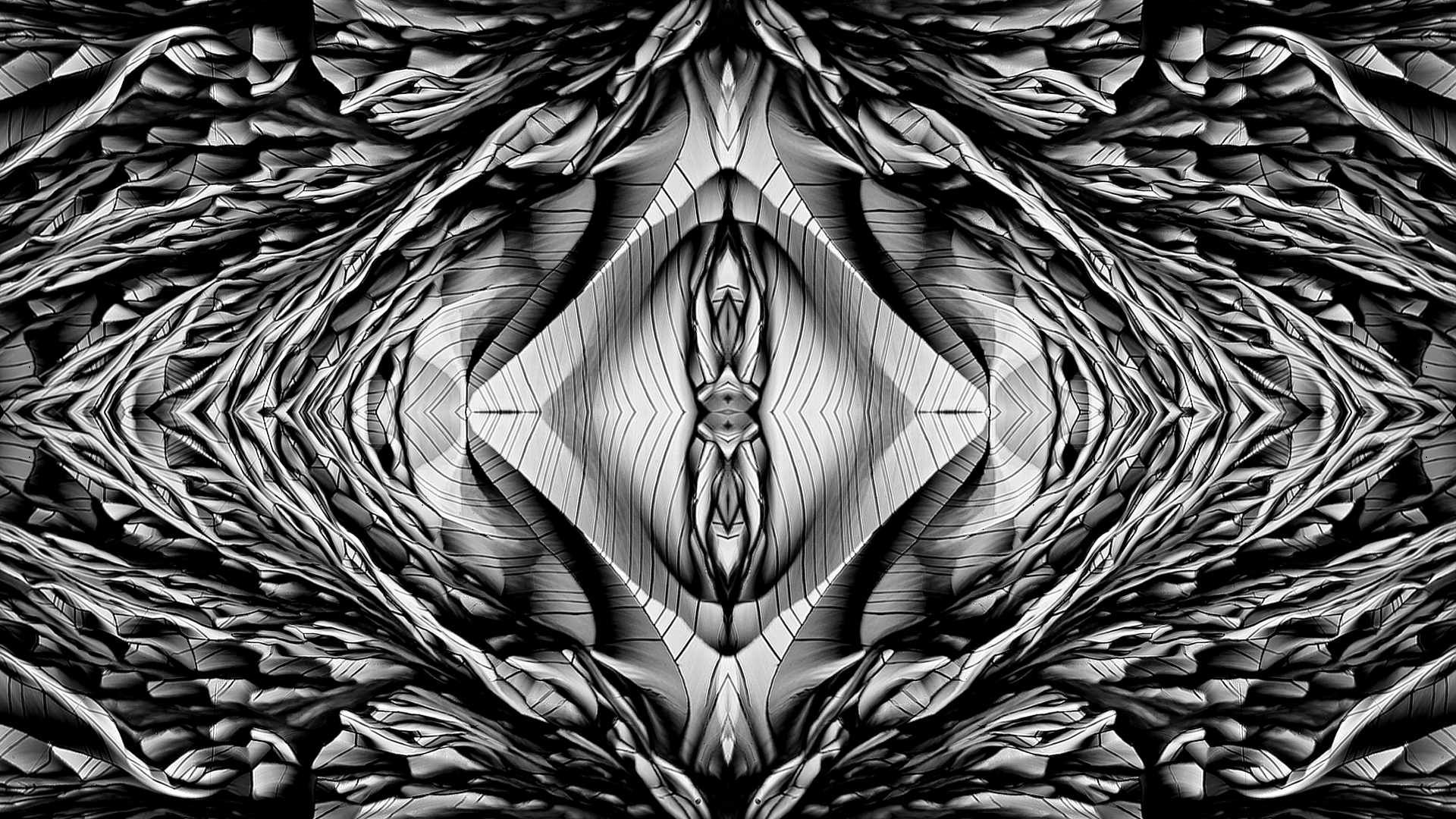
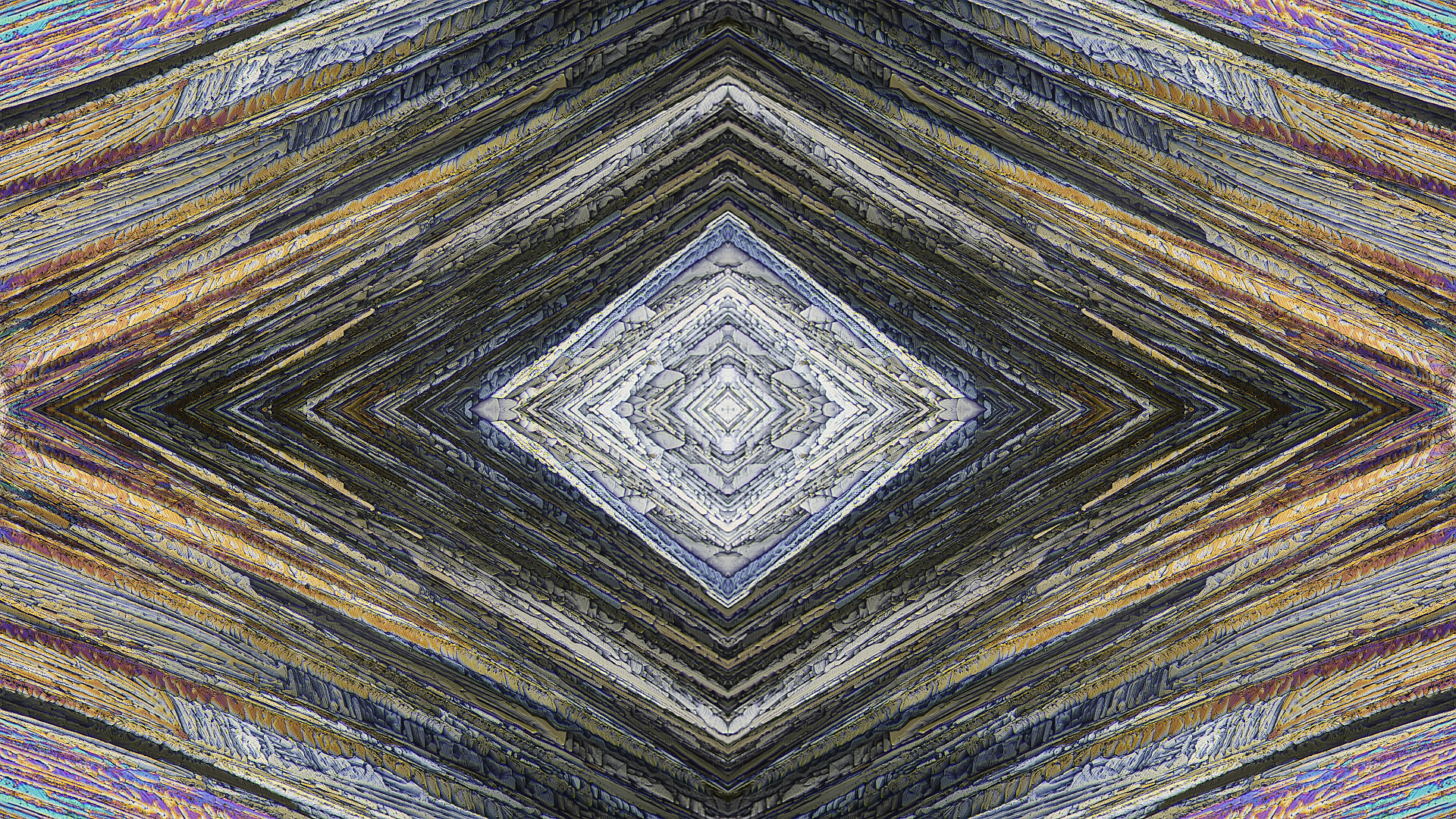
By copying, flipping and repeating parts of a photomicrograph, hidden patterns and symmetry emerge. This digital transformation reveals new abstract landscapes from microscopic structures, blending science,
photography and imagination.
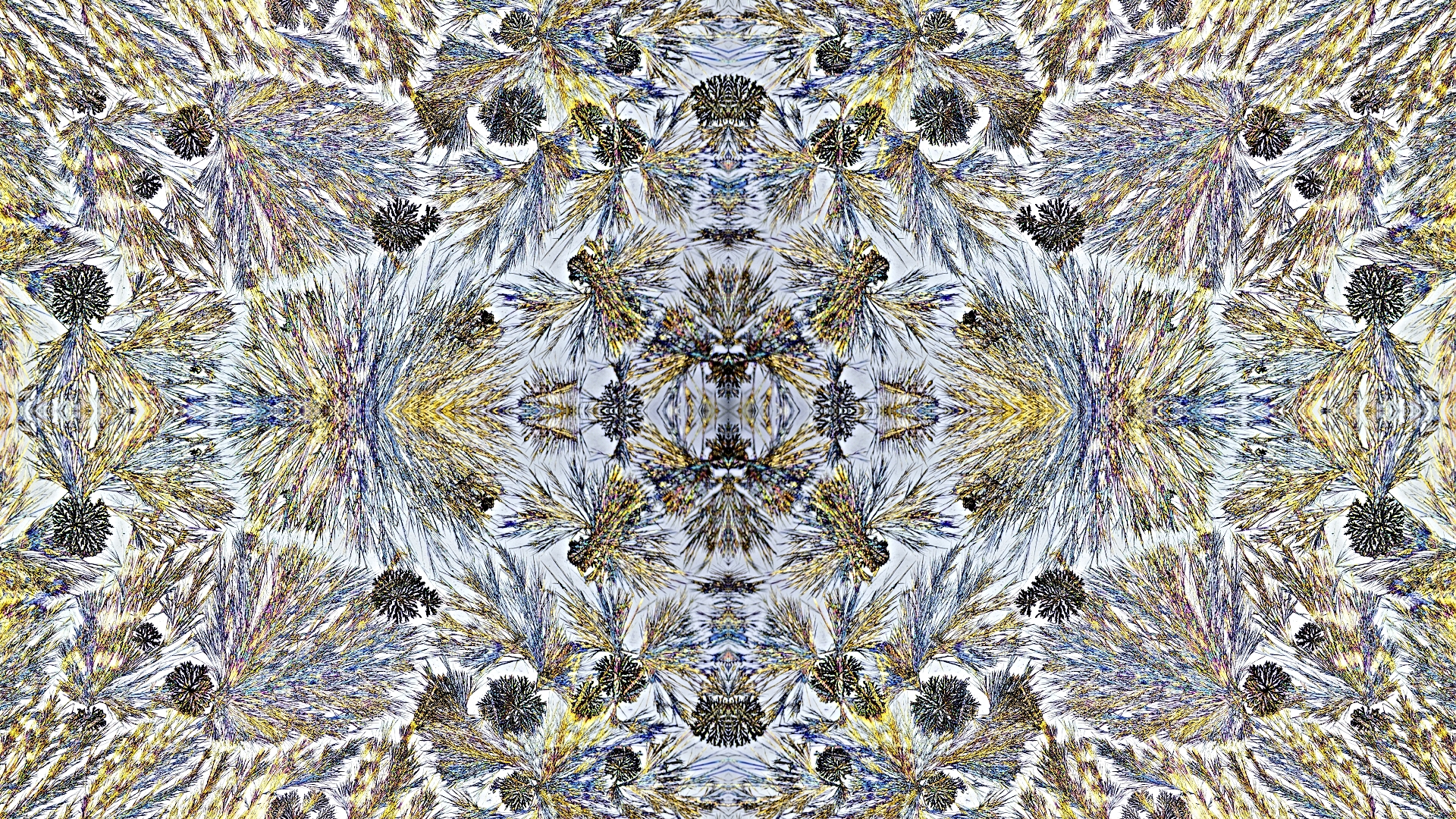
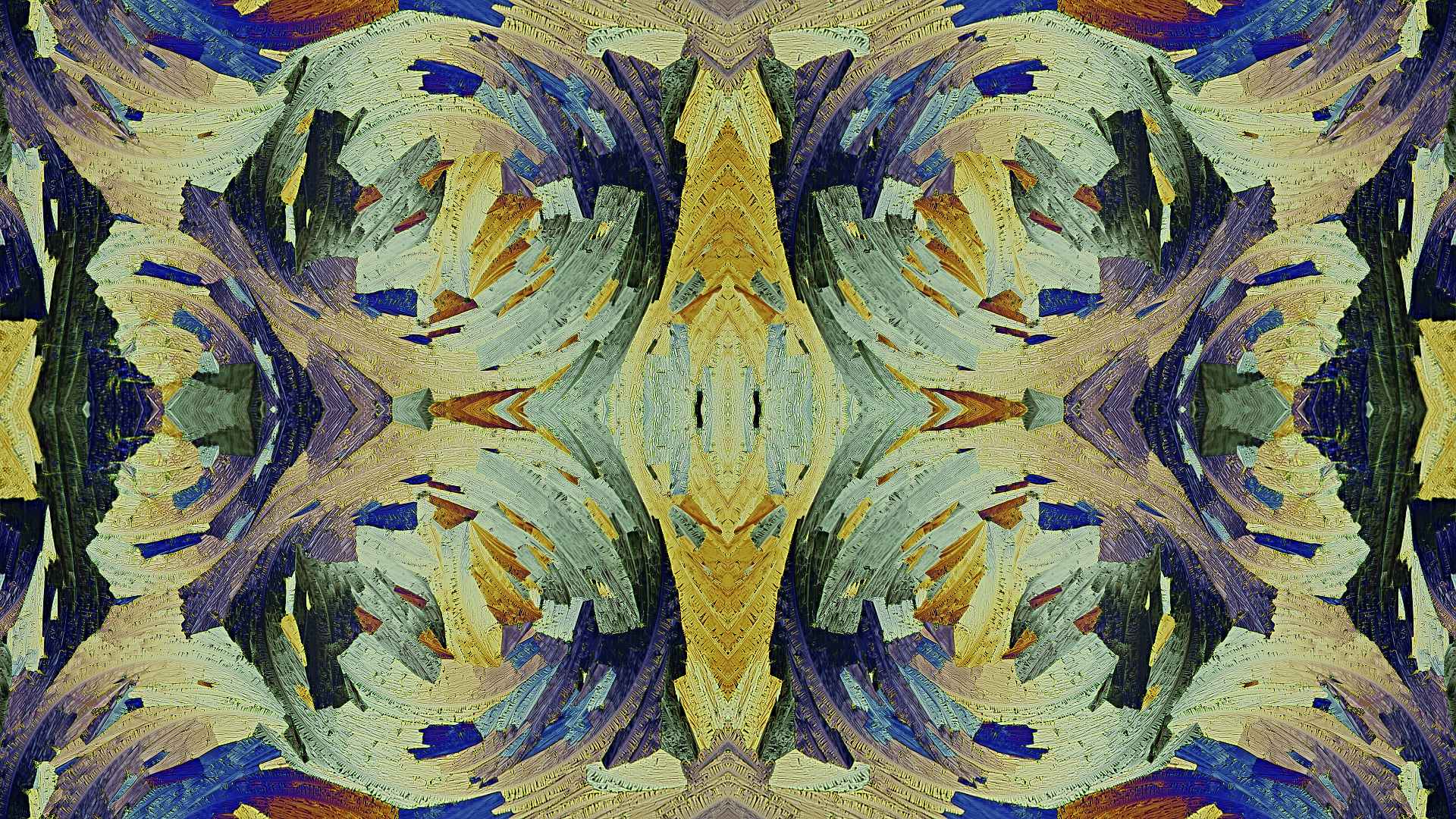
Selected photomicrographs have also been produced as large-format artworks for a corporate client. The images were printed on A1 canvas and protected with a UV-resistant film. These installations bring microscopic structures, colour and science into the working environment.
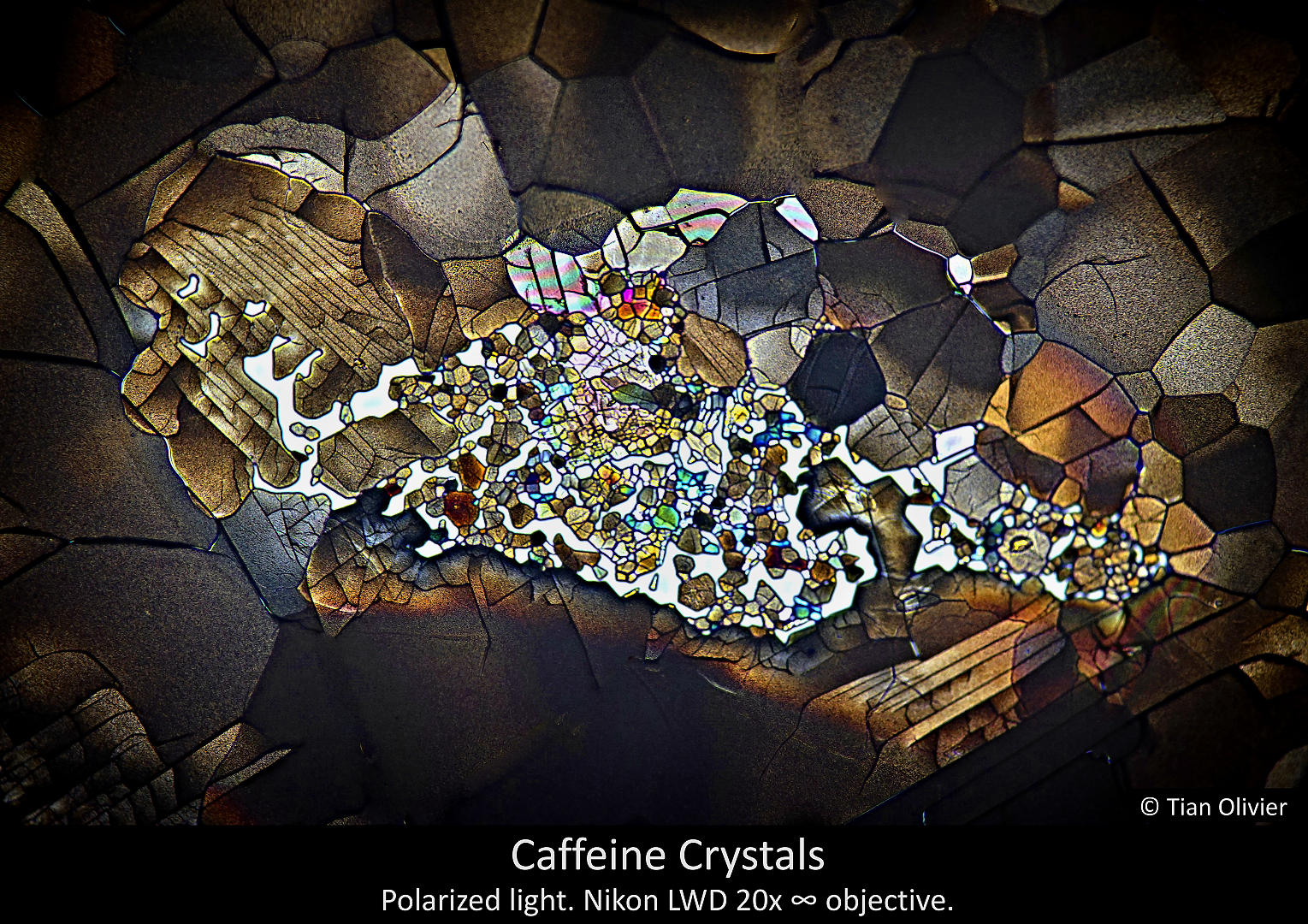
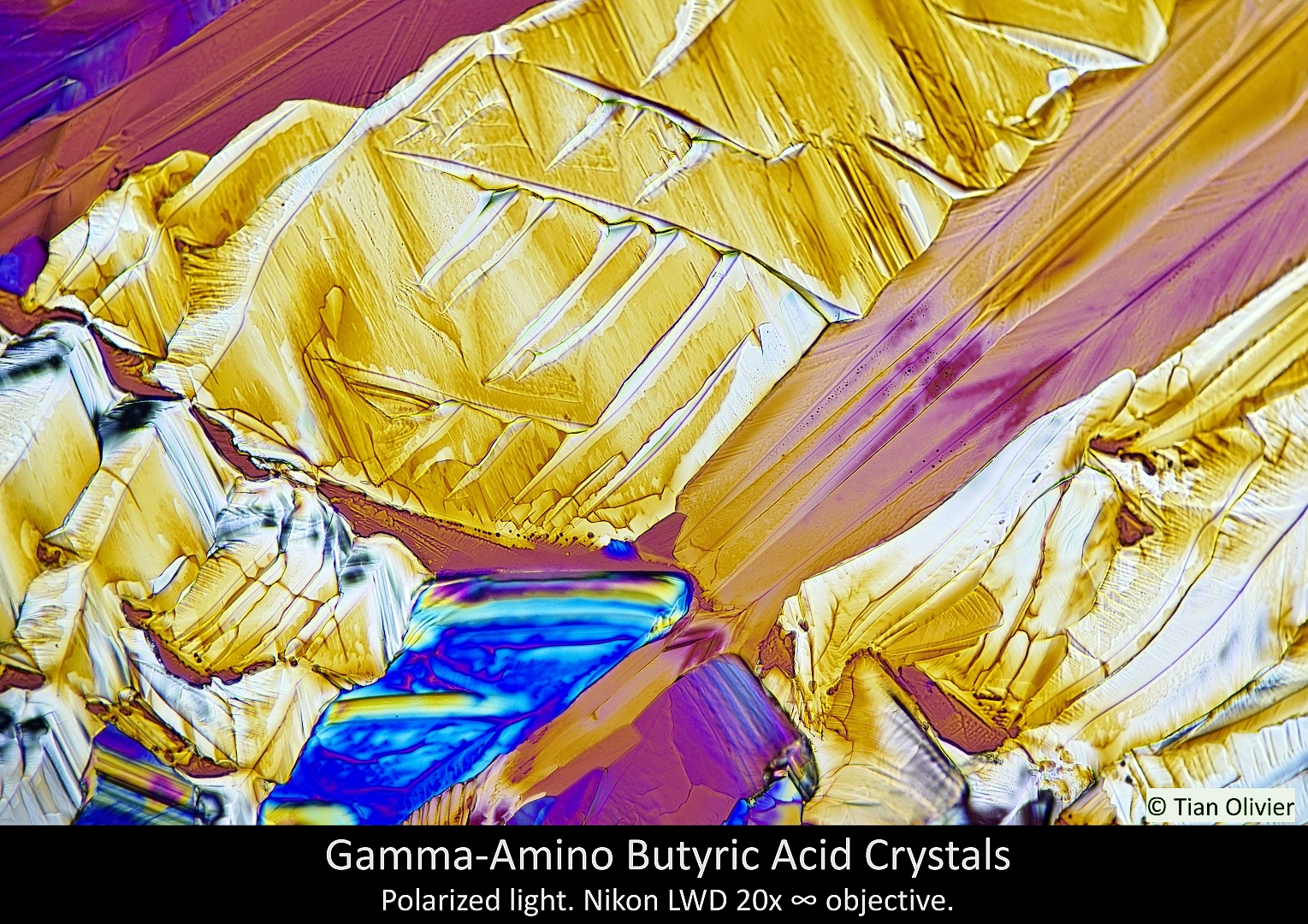
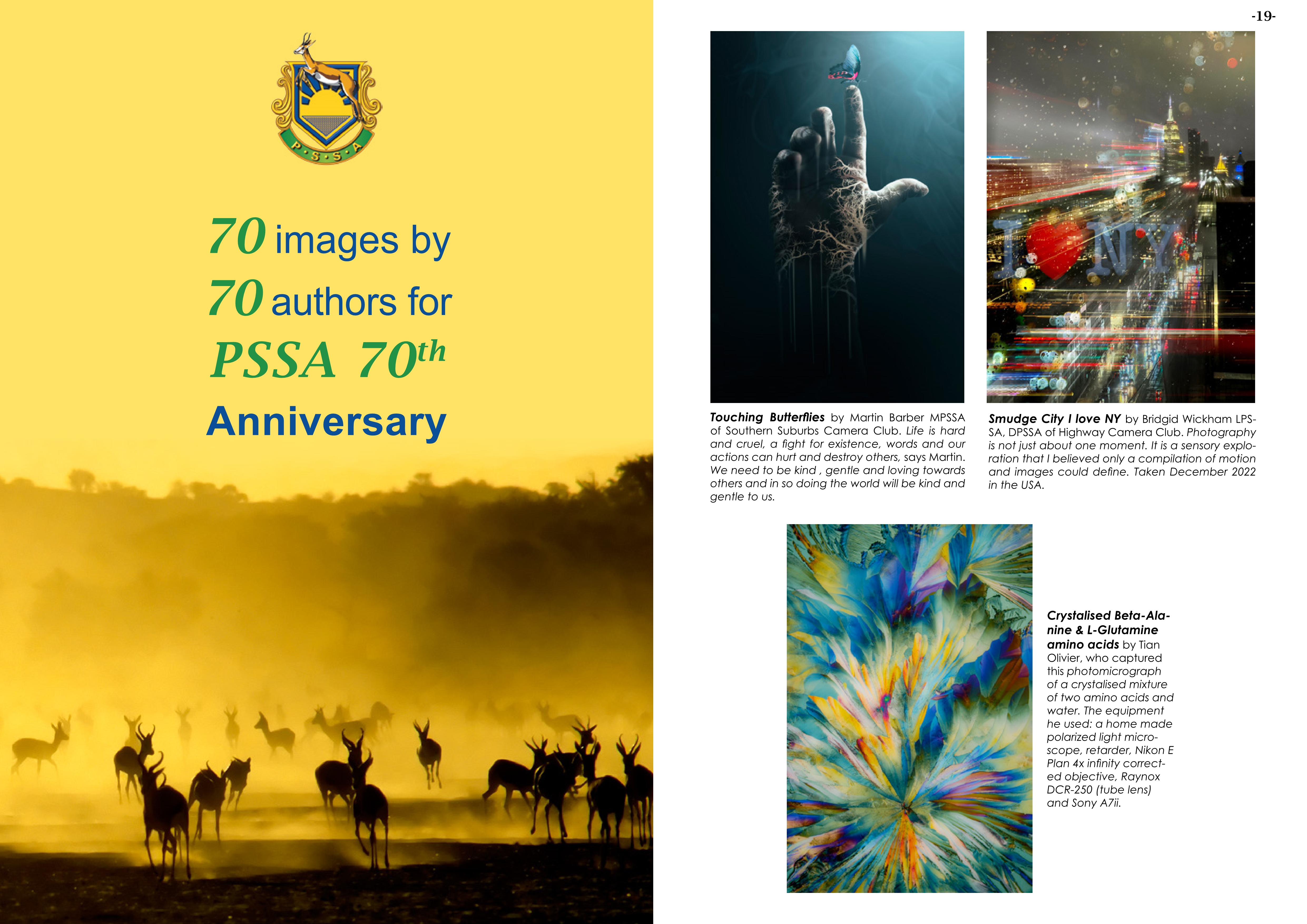
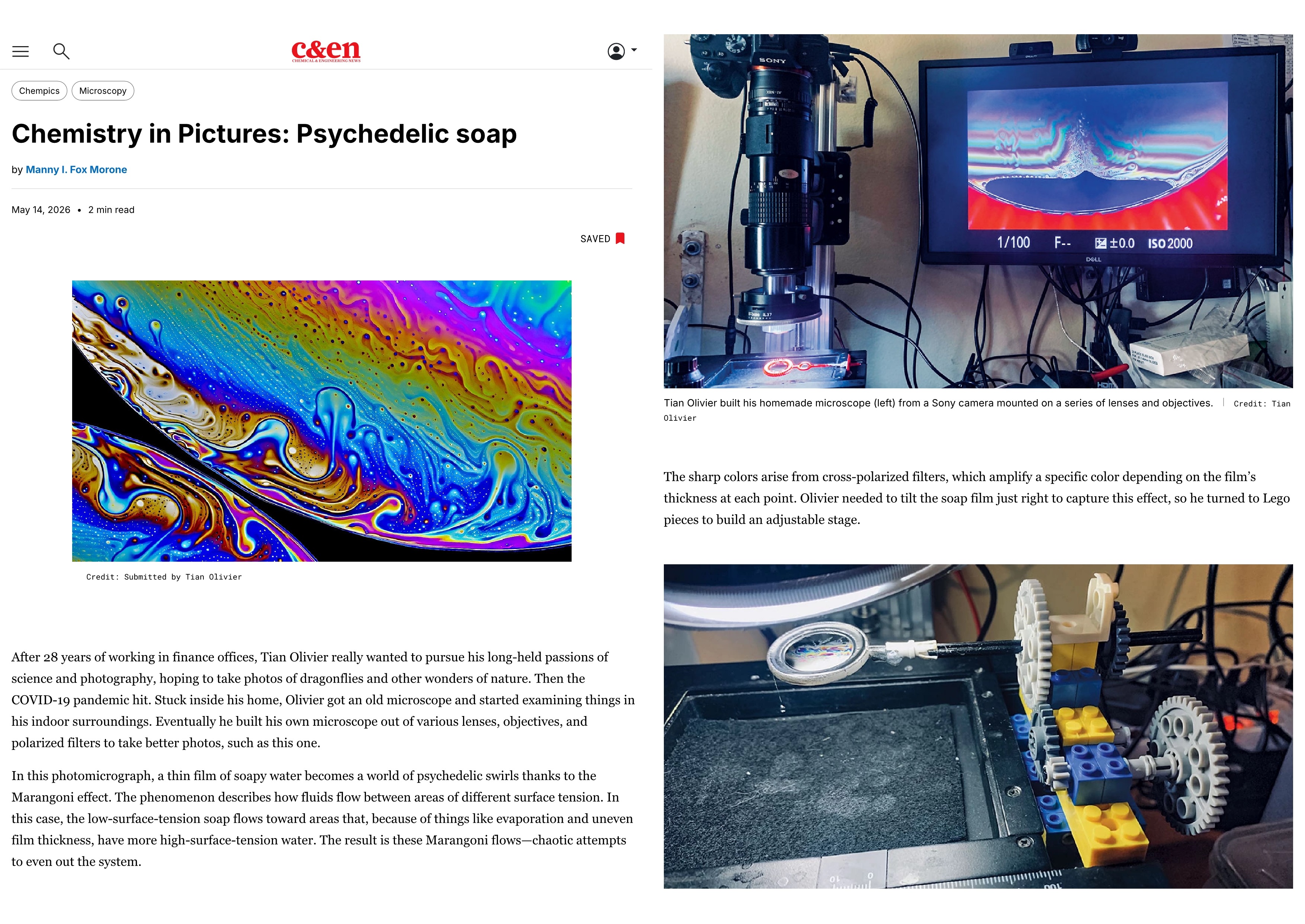
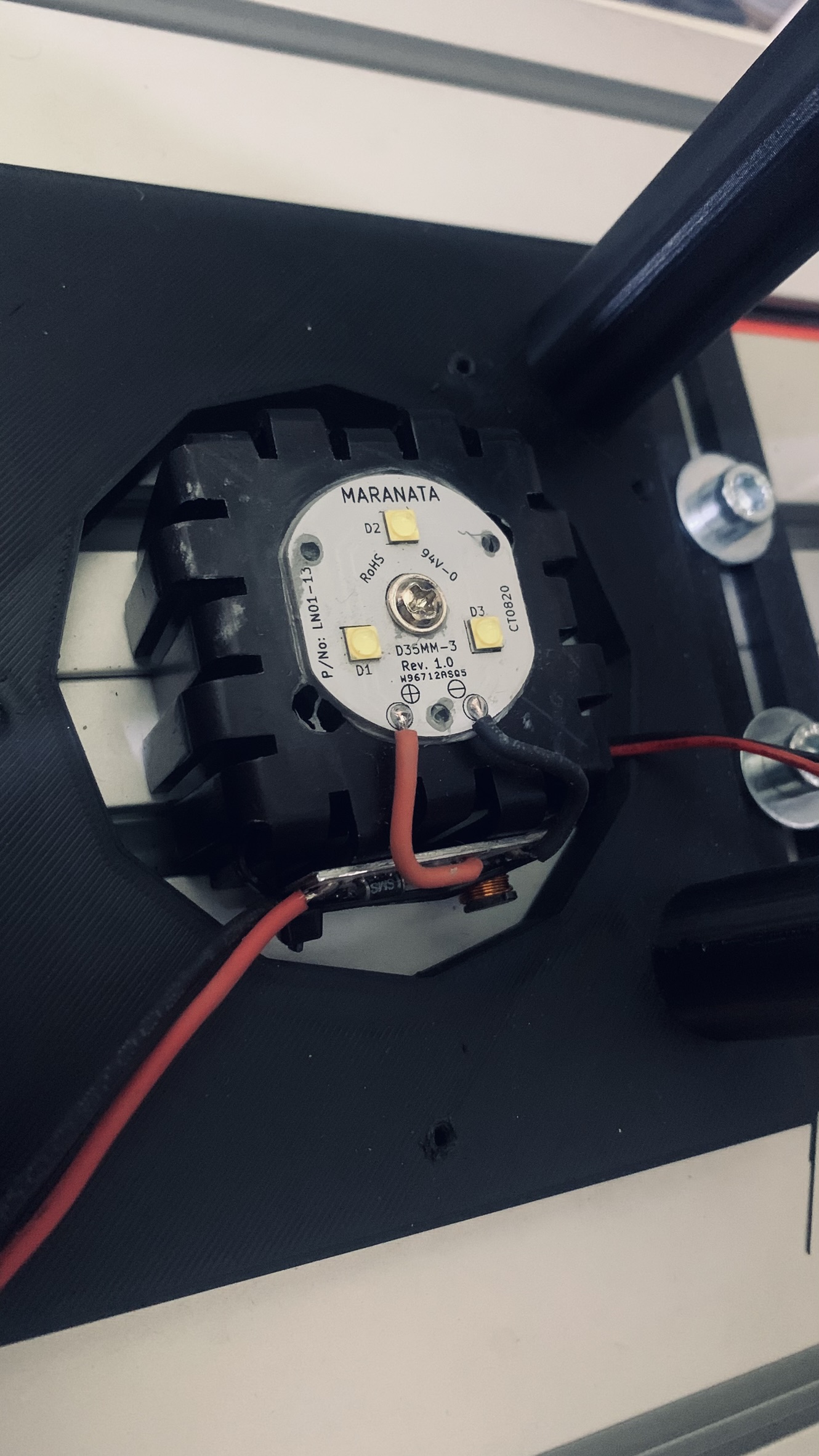
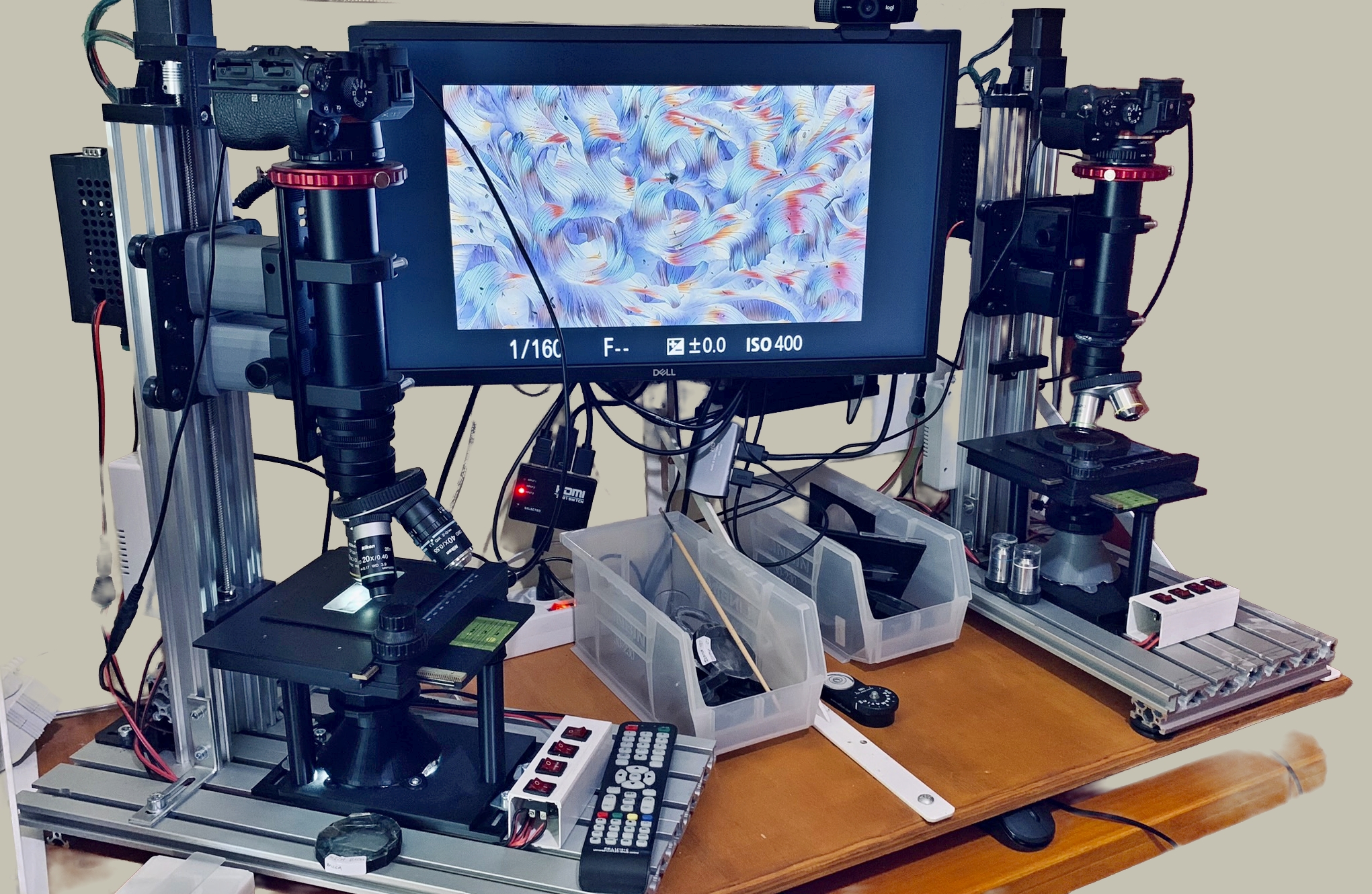
The photomicrographs on this webpage are created using microscopes & optical setups that I have built or adapted myself. Experimenting with lenses, lighting, polarization and homemade components is part of the journey — sometimes the equipment is as much an experiment as the photomicrograph. Magnifications range from 2x to 50x.
Focusing is controlled by stepper motors & Arduino microcontrollers, operated remotely to
minimise vibration while taking photographs.
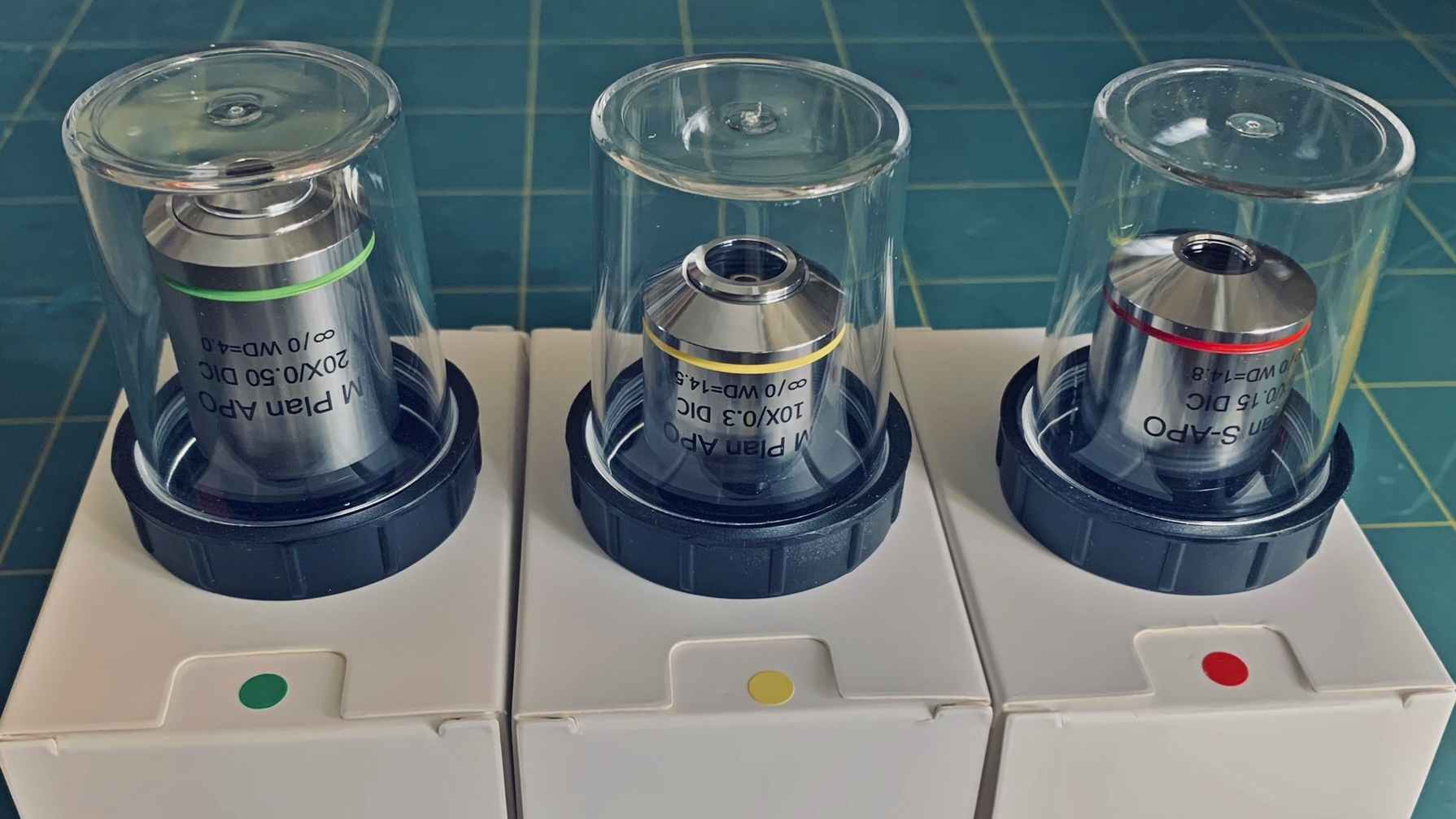
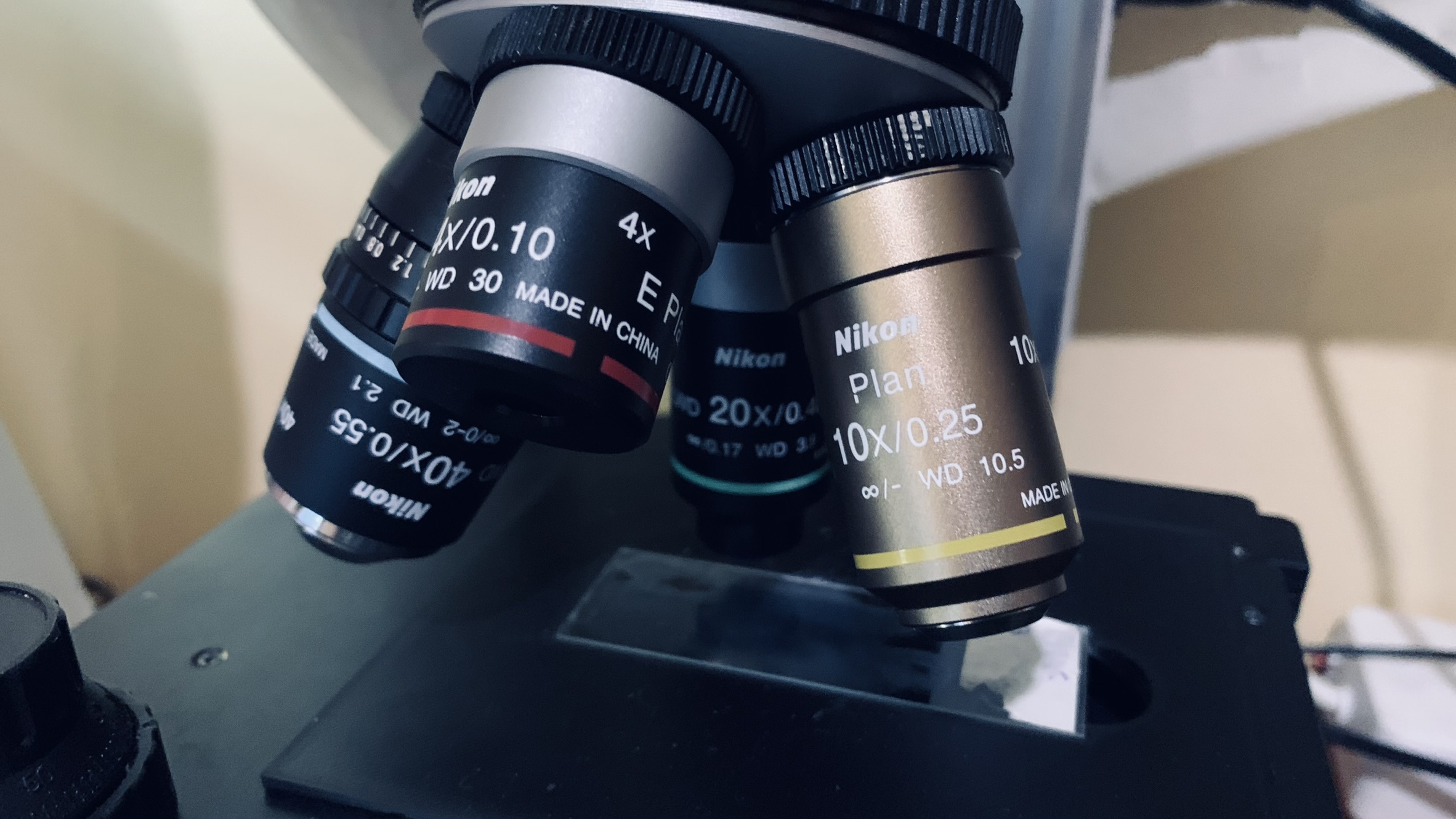
Photomicroscopy desings